
Still choosing roof lights by price alone? That decision can cost you more than you expect. The lower price might seem like a win today, but it often comes with a trade you only notice later. Leaks, rising energy bills, and early replacements show up faster than you think when the wrong choice is made.
Most homeowners online talk about the regret of chasing the cheapest option instead of looking at how it performs and how long it lasts. This guide gives you the steps to choose a roof light that matches your home, works with your climate, and lasts for years. So you enjoy durable skylights for roofs without the constant worry of repairs.
Understanding the Different Types of Roof Lights
Choosing the right roof light is not just about style. It shapes how you feel in the room and how well it performs over time. The right type can bring comfort, daylight, and long-term satisfaction.
Framed Roof Lights
These rooflights have a visible edge that is often aluminium, timber, or steel. It supports the glass and blends seamlessly with your home’s look. The frame also adds strength and weather resistance, especially in high-wind or heavy-rain zones. You can opt for glass that improves insulation or blocks heat without losing that classic framed feel.
Frameless Roof Lights
Frameless units offer a sleek, modern appeal with nothing visible from inside and just sky. This clean look suits contemporary spaces, but it relies entirely on tight installation. Without a frame to manage water overflow, leaks become more likely if not sealed perfectly.
Roof Lanterns
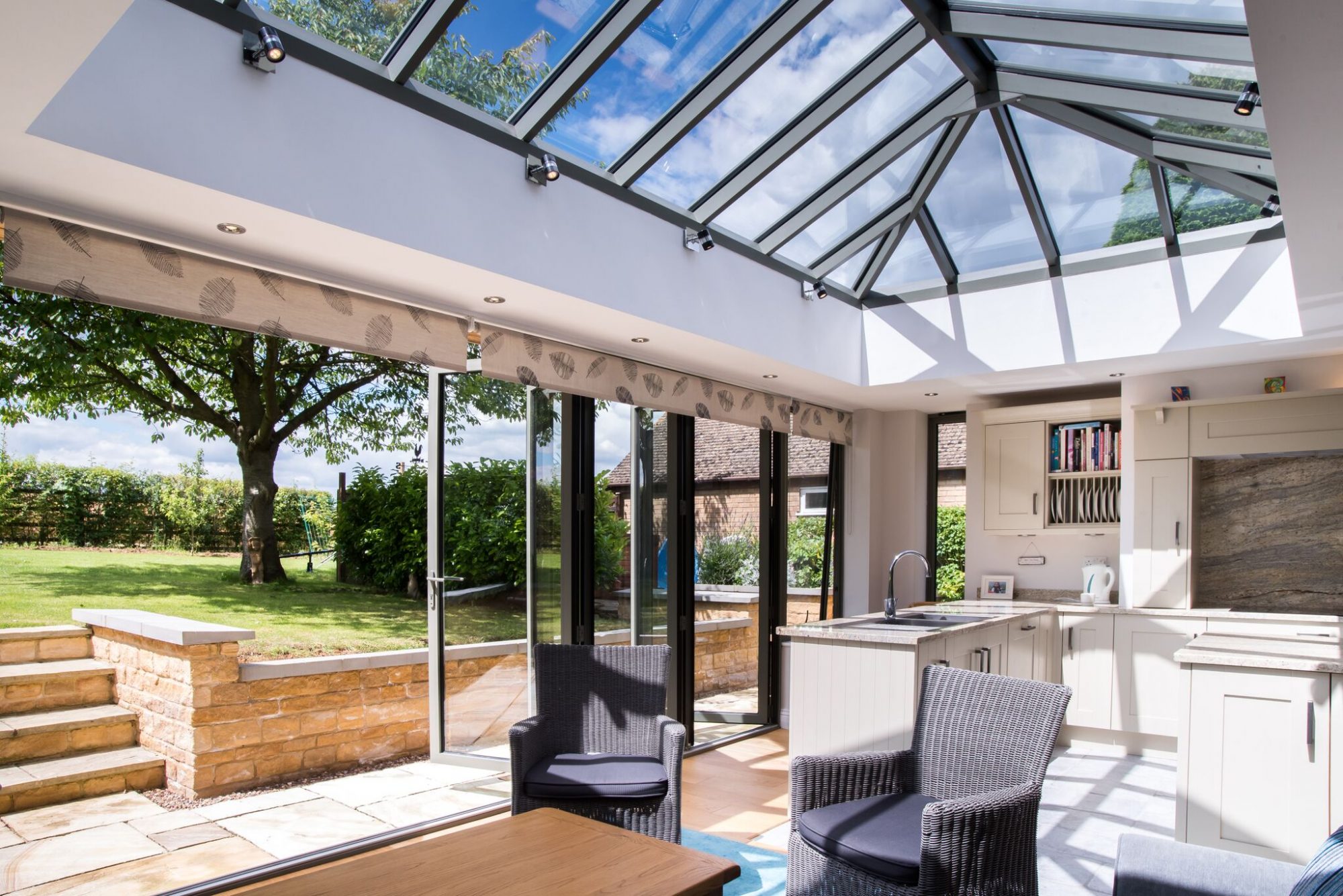
Roof lanterns sit above a flat roof and catch light from multiple directions. They create height, drama, and a sense of grandeur. They are especially installed in kitchens or living areas where both light and architectural impact matter. Modern versions come with better glazing and sealing to reduce heat loss and leaks.
Maximizing Natural Light with the Right Roof Lights
Natural light changes how you use a space. But it is not just about adding more glass. The position of the roof light decides how that light enters and whether it feels warm and welcoming or too harsh. Spaces that are south faced can bring more light in but may need tinted glass or blinds to manage glare.
In more cooler areas, larger glazed rooflights can help heat a room during the day and cut heating costs. If your region is more cloudy you may need need high-transmission glass to make the most of every bit of daylight. Choosing the right rooflight ensures it stays usable and comfortable throughout the year.
Energy Efficiency and Roof Lights: What to Look For
Two numbers help you judge if the rooflight is right for you. The first is the U-value, which shows how well it keeps heat in. The second one is the SHGC. This tells you how much heat it lets in from the sun. A low U-value helps in winter. While the right SHGC keeps summer temperatures under control.
Glasses with coatings reflect heat better. The argon gas between panes ensures better insulation, and laminated layers make them more secure. Stronger frames can prevent air leaks and keep the lights fixed.
A roof light made for your climate saves energy, lowers bills, and keeps your home steady in every season.
Choosing Roof Lights for Traditional vs. Modern Homes
The style of your home should guide what you choose. In a traditional home, the goal is to blend in. Conservation roof lights with slim frames and glazing bars hold on to the period look while meeting modern standards. In a modern build or extension, the roof light can stand out. Frameless designs give a sharp, simple edge, and roof lanterns can act as a main feature in the room. The frame matters too. Aluminium brings a slim, strong line for a modern feel, while timber pairs better with older styles. Even the glass should fit the space — a modern flat roof kitchen might need solar-control glass, while a loft bedroom in a heritage home may need glass that reduces outside noise.
Common Mistakes to Avoid When Installing Roof Lights
Leaks are the most common reason homeowners regret their choice. And in most of the cases, the problem is not the rooflight but rather the way it’s installed. Things like poor flashing, wrong mount for the roof pitch, and improper seal can all lead to water damage.
Choosing the wrong type of glass for your climate can cause overheating in summers and heat loss in winters. Not using blinds or ventilation can also cause glare and condensation in places like kitchen and bathrooms.
Ignoring the local rules can also delay work and add costs. The safest path is using the right type of rooflight, following the maker’s installation instructions, and hiring people who know how to fit it right.
Conclusion
The best roof light is not always the cheapest. It is the one that works for your home now and for years to come. Choosing the right type of rooflight based on your climate and performance can help you avoid costly repairs.
And with proper installation you can enjoy all the benefits of durable skylights for roofs. That means more light, more comfort, and more value without the fear of leaks or wasted energy. In the end, this is not just about adding daylight. It is about creating a home that feels better every time you step inside.