
Autumn transforms the British countryside in ways that feel both gentle and dramatic. Leaves shift from green to amber and gold, hedgerows grow heavy with berries, and quiet lanes become calmer as the summer rush fades. Cooler air makes long walks more comfortable, and popular destinations feel less crowded. It is a season that rewards slower travel, scenic routes, and time spent outdoors.
For many travellers, autumn is the perfect moment to plan a countryside escape. With fewer tourists and softer light across hills and lakes, road trips become more relaxed and flexible. Rather than rushing from place to place, you can shape your journey around local markets, harvest events, and the changing landscape.
The Most Scenic Autumn Routes Across Britain
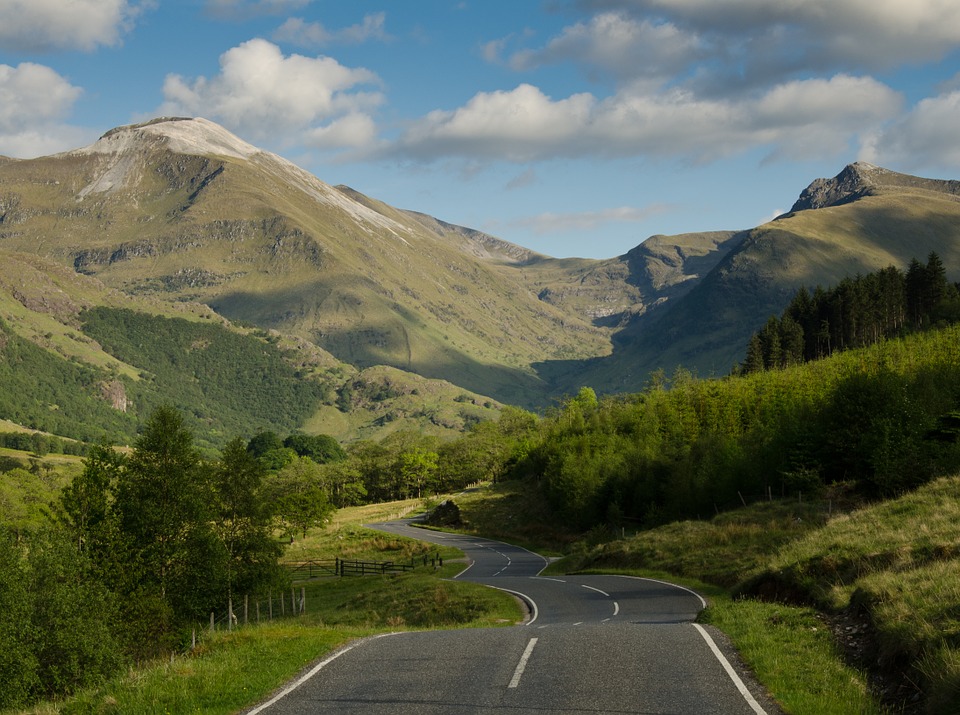
Scotland’s North Coast 500 offers one of the most memorable autumn drives in the UK. Beginning in Inverness, the route loops through the Highlands, passing rugged coastline, open moorland, and forests glowing in seasonal colour. Areas such as Torridon and Assynt are especially striking in mid-October, when the foliage is at its strongest before autumn winds begin to strip the trees. Planning shorter daily distances allows time for photography stops and coastal walks.
The Lake District is another excellent choice for an autumn itinerary. Windermere, Ullswater, and Derwentwater reflect hillsides filled with red and gold woodland, and the wider landscape of the Lake District National Park offers countless walking routes and scenic viewpoints. Early mornings often bring mist rising from the water, creating peaceful views before day visitors arrive. Many campsites remain open through autumn, making it easy to stay close to the lakes and explore nearby villages at your own pace.
For a gentler landscape, the Cotswolds provide rolling hills, stone cottages, and tidy high streets. A relaxed route might begin at Broadway Tower before continuing along the A429 through Stow-on-the-Wold and Bourton-on-the-Water. Parking is generally convenient, allowing time for tea rooms, farm shops, and independent boutiques.
The Peak District offers winding roads with wide valley views, especially around Ladybower Reservoir and Snake Pass. The New Forest provides another attractive option, where wild ponies graze among fallen leaves and quiet woodland tracks feel far removed from busy city life.
Planning Your Autumn Road Trip
Autumn travel works best with a little extra preparation. Days are shorter, and temperatures can vary between crisp mornings and milder afternoons. Layered clothing is essential, along with waterproof jackets and sturdy walking boots for damp paths.
Choosing flexible accommodation makes the journey easier to manage. Many travellers plan their route around trusted motorhome hire services that provide well-equipped, reliable vehicles suited to longer autumn trips across the UK. A self-contained vehicle allows you to adapt plans if the weather shifts or extend your stay in a favourite location without needing to rearrange bookings.
Arriving at campsites before dark is particularly helpful at this time of year. Setting up in daylight avoids unnecessary stress and allows time to settle in before temperatures drop. Checking the Met Office forecast before driving through upland areas can also help you avoid heavy mist or sudden rain.
Customer Travel Inspiration: A Three-Day Autumn Escape
A popular short itinerary begins in the Cotswolds. On the first day, travellers often explore Broadway and nearby walking trails before spending the evening at a well-equipped campsite. The second day might include a scenic drive towards Bourton-on-the-Water, stopping at farm shops for fresh produce. Evenings can be spent preparing a simple meal and enjoying the quiet countryside.
Many travellers extend this plan by adding a third day focused on smaller villages and local markets. Starting early allows time for a relaxed breakfast before visiting places such as Chipping Campden or Lower Slaughter. Short countryside walks between stops create a steady rhythm to the day, keeping the journey balanced between driving and time outdoors.
Another favourite customer journey combines the Lake District and the Yorkshire Dales. Travellers base themselves near Windermere for two nights, exploring lakeside paths and local cafés, then move east towards the Dales for open moorland views and smaller village stops. This balance of water, hills, and rural charm suits autumn particularly well.
Adding a stop at a traditional market town in the Dales can make the route even more varied. Towns such as Hawes or Grassington offer independent shops and welcoming pubs, making them ideal for an afternoon break before returning to your campsite. Planning fuel stops and food shopping in advance keeps the journey smooth across more remote stretches of the Yorkshire Dales, where heritage sites and countryside walks shape much of the landscape.
Essential Packing for Comfort and Safety
Thermal base layers, warm jumpers, and extra blankets ensure cosy evenings. A reliable heating system inside your vehicle is important as overnight temperatures can drop quickly. Being aware of carbon monoxide dangers when camping or caravanning supports safe use of gas or diesel heaters during colder months. Rechargeable torches or lanterns help during longer evenings, especially on rural campsites with minimal lighting.
Keeping spare socks, gloves, and a hat within easy reach also makes early morning walks more comfortable. Condensation can build overnight, so having cloths or window covers ready helps maintain a clear view before setting off each day. Simple preparation supports both comfort and safety throughout the trip.
Kitchen planning also matters. Fewer roadside cafés remain open late in autumn, so keeping simple cooking supplies on hand makes evening meals straightforward. A thermos for hot drinks can transform a windy coastal stop into a pleasant break.
Bringing easy-to-store ingredients, such as pasta, soups, and locally sourced vegetables, allows flexible meal choices without overpacking. Washing up promptly and keeping storage areas organised helps maintain a tidy living space, which becomes increasingly important during longer evenings spent indoors.
Wildlife and Nature Highlights
Autumn is one of the best seasons for wildlife watching. In the New Forest, Exmoor, and Richmond Park, the deer rut season takes place during early mornings, when stags are most active and visible across open parkland and forest clearings.
Setting out at dawn often increases the chances of sightings, as animals are more active before visitor numbers rise. Bringing binoculars and keeping a respectful distance ensures wildlife is observed safely without disturbance. Checking local guidance on access and parking also helps protect sensitive habitats.
Woodland walks often reveal fungi, berries, and orchard harvests. Guided foraging experiences can provide a safe introduction to seasonal produce. Apple orchards in Herefordshire and Somerset frequently welcome visitors for tastings and fresh juice during harvest months.
It is important to approach foraging carefully, as some wild mushrooms are unsafe to eat. Joining organised walks led by experienced guides reduces risk and adds context about local ecosystems. Many woodland trails also provide clear signage during autumn events, making routes easy to follow.
Food Trails and Local Flavours
Harvest festivals across Britain celebrate seasonal ingredients. The Ludlow Food Festival and Abergavenny Food Festival showcase regional produce and traditional cooking. Planning your journey around one of these dates adds structure and interest to a road trip.
Booking tickets or checking entry times in advance helps avoid disappointment, especially on popular weekends. Combining a festival visit with nearby farm shops or markets can turn a single stop into a full day of tasting and exploring local produce.
Country pubs update menus with autumn dishes, often featuring game, root vegetables, and local ales. Farm shops offer pumpkins, squashes, cheeses, and fresh bread, making it easy to cook comforting meals back at your campsite.
Choosing pubs and shops that focus on regional suppliers supports local communities and often results in fresher ingredients. Parking close to village centres allows travellers to walk between shops and cafés without moving the vehicle repeatedly.
As days grow shorter, travel naturally slows and the countryside feels more spacious. With careful planning, scenic routes, and a well-prepared vehicle, autumn road trips become both comfortable and rewarding. Fewer crowds, cooler air, and vibrant landscapes create the ideal setting for relaxed exploration. An autumn journey through Britain offers not only beautiful views, but lasting memories shaped by simple, unhurried moments on the road.