
Being a renter means you’re often limited to what you can do to customise the space, and lighting isn’t an exception. You can’t always change the wiring, install new ceiling fittings, and do much about the bare bulb dangling from the hallway ceiling.
What you can do is take advantage of plug-in lighting like a floor lamp. They happen to be one of the simplest and most effective ways to add some style to your lighting.
They need no installation, leave no trace, and move with you when you eventually leave. They add warmth, depth and a sense of intention to rooms that might otherwise feel like they could belong to anyone.
In this guide, we look at some of the main lamp styles, the best rooms for each, and how to combine them for the best results.
Why Floor Lamps Work So Well in Rental Properties
Plenty of modern homes utilise floor lamps for a number of reasons. Here are just some of the key benefits they offer to your home:
No installation required
Free standing floor lamps just need to be plugged into a standard socket. That’s it. There’s no drilling, no electrician and no landlord approval to seek.
You can leave any existing fittings completely untouched, so there’s no risk to your deposit or any restrictions on where you position your lighting.
They’re also straightforward to reposition as your furniture changes. If you rearrange the living room or shift the reading chair to a different spot, the lamp simply moves with it. There’s much more flexibility compared to hard-wired lights.
They can change how a room feels
Good lighting does more for a space than most people realise. It can affect how warm colours look, how large the room appears, or whether the atmosphere feels cold or inviting.
A floor lamp in the corner of a living room can create an entirely different mood than an outdated ceiling light running at full brightness. Even if the actual light output is similar, it offers a softer, more diffused glow that suits a relaxed atmosphere.
In a rental, where changes are extremely limited, lighting becomes one of the most powerful tools available.
They travel with you
A good floor lamp is worth spending a little more on because it’s an investment you’ll keep. Unlike built-in features or fixed fittings, floor lamps move house with you. They’re more like furniture than they are fixtures.
Choosing the Best Type of Floor Lamp
Different floor lamps serve different purposes. Choosing the right type for each room makes a real difference, especially if you have a specific style in mind. Some can work better in contemporary homes as much as others can look great in more traditional interiors.
Arc floor lamps
Arc lamps have a long, curved arm that sweeps out and downward over a sofa or seating area. The effect is similar to an overhead pendant, but without any ceiling installation required.
They work exceptionally well in living rooms where you want a lamp that also acts as a design statement. Position one over the corner of a sofa, and the room immediately feels more considered.
Dar Lighting offers a wide range of styles that spans clean contemporary designs through to more decorative styles, making it easy to find something that fits your interior.
Uplighter floor lamps
Uplighters direct light toward the ceiling, where it bounces back into the room as a soft, even glow. They’re particularly useful if your property’s existing fittings produce harsh or poorly distributed light.
Placing one in a dark corner, for instance, effectively opens the room up and balances the overall scheme without creating any glare. They’re well suited to suit living rooms, open-plan spaces and hallways.
Reading floor lamps
As the name suggests, these are built for focused task lighting. A lamp positioned beside an armchair or at the side of the bed makes a genuine difference to daily comfort. It removes the need to rely on a harsh ceiling light whenever you want to sit quietly and read.
Many designs have adjustable arms or gooseneck heads so you can direct light exactly where you need.
Tripod floor lamps
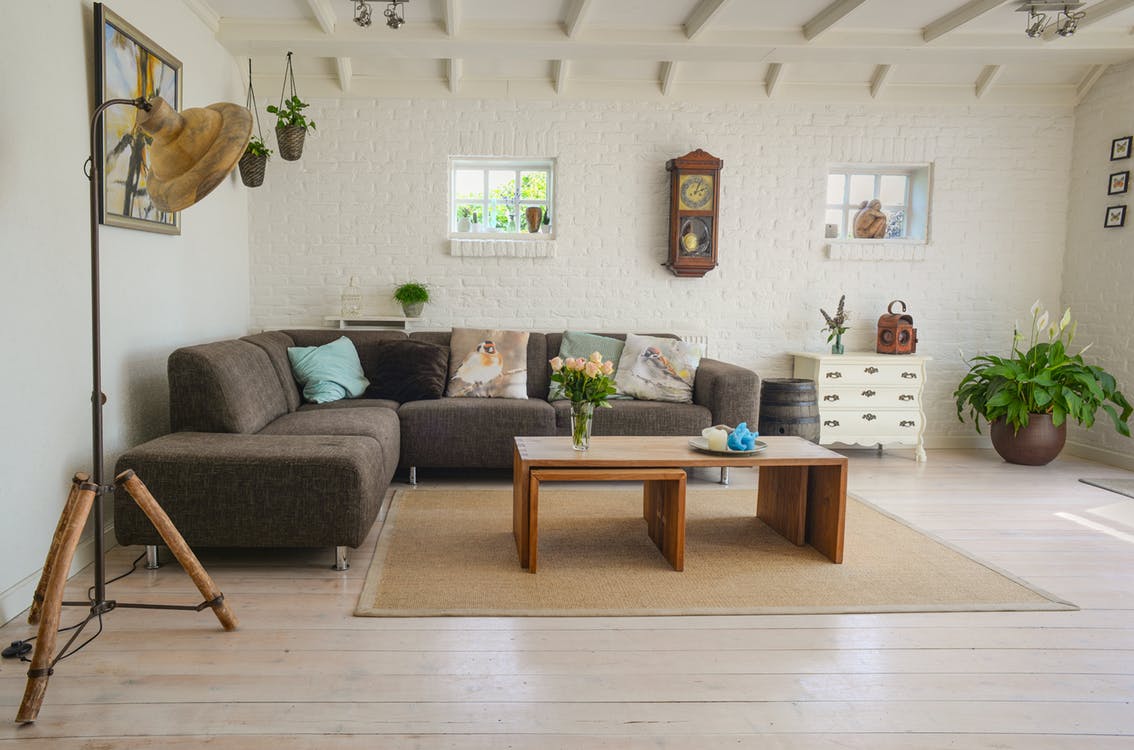
Tripod lamps stand on three splayed legs and carry a shade at standing height. They function well as a light source, but they also act as a piece of furniture in their own right. Because of this, they suit Scandinavian, contemporary and relaxed interiors particularly well.
Nkuku is one brand that produces some excellent examples. Their designs feature natural materials such as rattan, raw wood and linen, which feel genuinely handcrafted rather than mass-produced.
Multi-light floor lamps
These lamps have multiple arms or shades and can cover both ambient and task lighting from a single fitting. They’re a practical choice for larger rooms or open-plan spaces where one lamp wouldn’t be sufficient.
Some designs allow each arm to be adjusted, giving you real control over where the light falls across the room.
The best rooms for floor lamps
Not all types of lighting are suitable for certain room types; despite that, floor lamps happen to fit perfectly into various spaces throughout your home. Here are some of the main rooms that can benefit:
Living room
Floor lamps make a dramatic difference where living room lighting is concerned.
A single overhead fitting in the middle of the ceiling creates flat, unflattering light that does nothing for the atmosphere.
You can even make use of multiple floor lamps if you prefer. For example, an arc lamp over the sofa, along with a tripod lamp in the corner, can make the room far more comfortable for evenings.
Bedroom
By the bed is a great alternative to a fixed bedside light, especially if the sockets aren’t positioned conveniently. A tall reading lamp solves the problem neatly. An uplighter works well here too, producing a calm, low-lit atmosphere that ceiling lights simply can’t match.
Hallways and landings
These tend to be the most neglected spaces you find in a rental property. One way to make the property feel more welcoming is by using a slim uplighter or tripod lamp in the hallway.
They make a big impact when you arrive home yourself and when anyone else visits. Undeniably, a small change with a noticeable effect.
Dining areas
Without a pendant above the table, creating atmosphere at mealtimes can be difficult.
You can place a floor lamp near the dining area rather than directly beside the table to replicate some of that warm, overhead quality. If you have an open-plan flat, it also helps define dining rooms as a more distinct space within the room.
Home office
Task lighting matters more in a home office than almost anywhere else. A reading or task lamp positioned to the side of the workspace reduces eye strain and makes sustained focus easier.
Look for lamps with a focused beam and an adjustable head. Astro Lighting does this well with designs that are highly functional, without any unnecessary decorative features.
Selecting the right style for your interior
There are plenty of well-thought and stylish designs out there to choose from. But often it’s the light that blends seamlessly into the existing decor that creates the most harmonious effect.
Modern and contemporary
Clean-lined designs in matte black, brushed steel or polished chrome suit modern interiors well.
Lodes produces exceptionally refined contemporary lamps that work across both minimalist and more layered spaces. They offer a level of finish that’s genuinely worth the investment.
Scandinavian
Light wood, linen shades and simple silhouettes define this look. Tripod lamps with fabric shades are a natural fit, as are uplighters in pale or natural finishes. Both Nkuku and Endon Lighting offer good options, covering a range of price points.
Industrial
Exposed metal details, articulated arms and darker or aged finishes give this style its character. Dar Lighting’s industrial-influenced designs include cage-shade fittings and raw-finish metal tripods that suit loft apartments and open-plan spaces well.
Traditional
Fabric shades, decorative bases and warm metal finishes work beautifully in more vintage settings.
Laura Ashley’s floor lamp collection is the natural winner here. Classic proportions with attention to detail that suits period rentals or interiors with timeless furnishings.
Luxury-inspired
For a boutique-hotel quality, marble bases, smoked glass shades, and polished brass accents can bring luxury to even a modest rental. Even a well-chosen statement lamp can shift the entire feel of a room, from bland to brilliant.
Why one light source rarely works
One light can’t do all the work by itself, especially in rooms with multiple purposes.
A single light source, even with a distinct design, tends to produce flat, even light with no variation or depth. Adding lamps at lower levels creates pools of light that draw the eye around the room and give the space a far more lived-in quality.
When shadows and contrast are used thoughtfully, it is what makes a room feel comfortable rather than looking too much.
Combining floor lamps and table lamps
Floor lamps and table lamps work well alongside each other to create a solid lighting scheme. For example, a corner floor lamp provides an ambient glow, while a table lamp on a side table or chest of drawers can add a second, lower level of light.
The end result feels layered and deliberate rather than thrown together. They can also complement other lights in the room, such as ceiling fixtures and wall sconces.
Choosing the right bulb for your floor lamp
Bulb temperature has a significant effect on the overall atmosphere of a room.
Every bulb has its own colour temperature, measured in Kelvin (K), which tells you how warm or cool the light will feel.
Warm white bulbs are around 2700K, which produces a soft, amber-toned light that feels more comfortable and inviting. Cool white bulbs are 4000K and above which tend to feel brighter, which suits kitchens and bathrooms, but living spaces, not as much.
If you’re building a layered lighting scheme, keeping all your lamps on the same warm white temperature can keep the light consistent and cohesive throughout the room.
Making the most of your lighting
Use floor lamps to solve specific problems rather than treating them as accessories. A dark corner can be transformed with an uplighter in it. An arc lamp can reconnect a sofa that feels neglected within the rest of the room.
Coordinating finishes ties everything together. If your floor lamp has a brass base, look for brass details elsewhere, like in picture frames, candle holders or decorative objects. It doesn’t need to be exact, but consistency across materials and tones helps create a more intentional feel.
Whatever your home’s style, adding a floor lamp can be an easy way to add some charm and personality where it’s needed most.