
Urban nightlife, with its vibrant energy and promise of excitement, is an essential ingredient of modern city living. Yet, as we embrace these experiences, we must also acknowledge the delicate balance between enjoyment and personal safety.
In recent years, the urban entertainment landscape has evolved rapidly, bringing new opportunities and challenges. The rise of ridesharing services, while convenient, has introduced unforeseen complexities to our night-out routines. As we navigate this changing terrain, it becomes crucial to approach our adventures with both enthusiasm and caution.
TorHoerman Law states that from 2017 to 2020, Uber received reports of almost 10,000 sexual assaults. However, the response from Uber has not been encouraging, leaving passengers, especially women to fight their own battles.
Building a personal safety plan isn’t about living in fear; it’s about empowering ourselves to fully enjoy what the city has to offer. There must be a foundation of security. This will enable us to enjoy the vibrant urban nightlife, feeling confident and at ease.
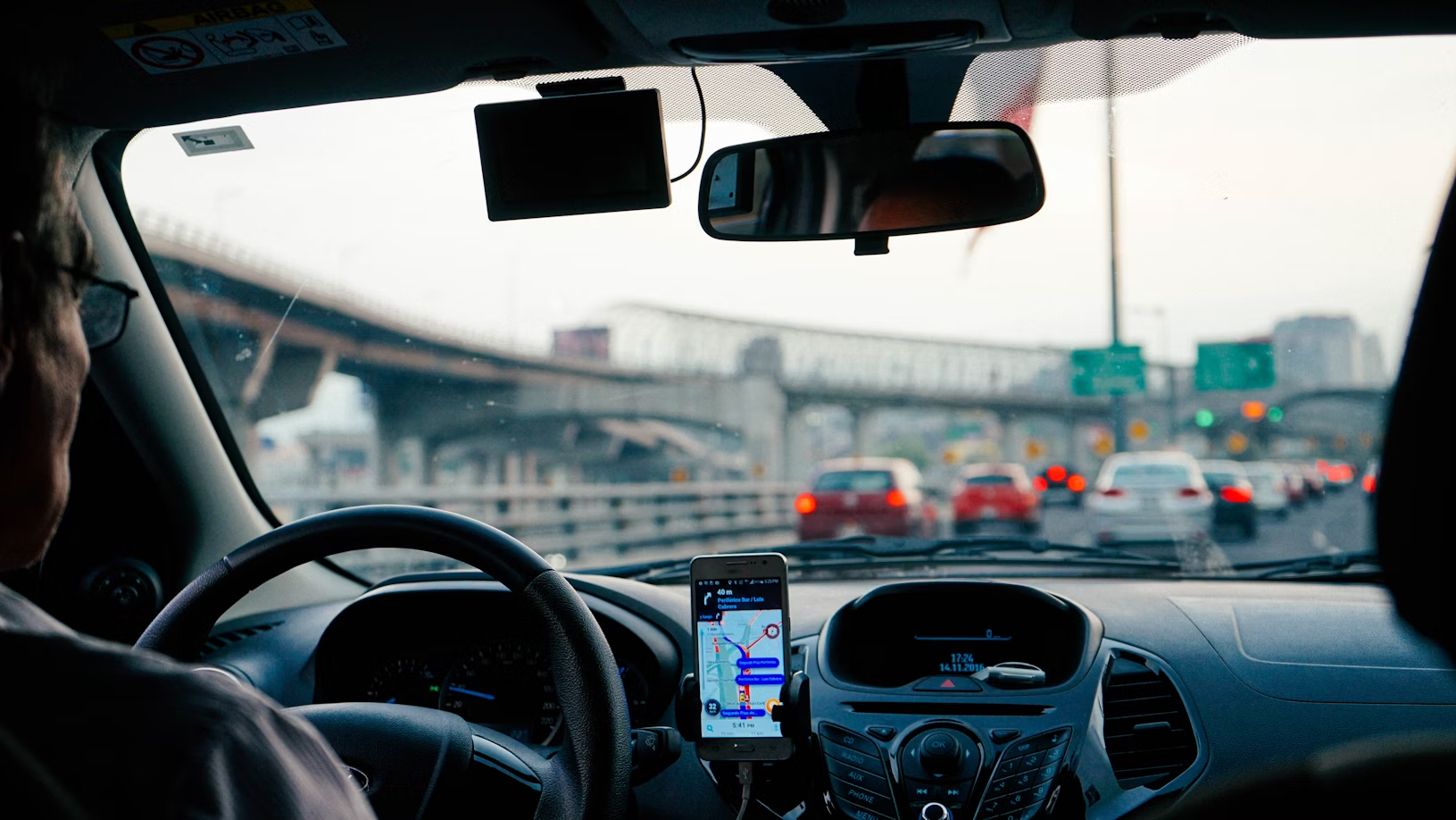
What is the Uber Controversy?
Uber Technologies, Inc. faces significant legal challenges due to numerous sexual assault allegations against its drivers. Plaintiffs argue that the company has inadequate driver vetting processes and a lack of robust safety measures. The absence of in-vehicle cameras and comprehensive driver training demonstrates a systemic neglect of passenger security.
A 2022 safety report highlighted by CNN Business revealed over 1,000 sexual assault complaints, including substantial misconduct allegations, underscoring the issue’s magnitude. Critics contend that legal redress has been insufficiently expeditious.
Uber’s litigation strategy includes attempts to remove the term “sexual assault” from legal proceedings. This suggests a corporate approach aimed at minimizing accountability and public scrutiny.
This tactic exacerbates the psychological trauma experienced by victims, who require swift legal resolution. The Uber sexual assault battle emphasizes the critical need for comprehensive reforms within the ride-sharing sector, prioritizing passenger safety and corporate accountability.
Understanding the Anatomy of Rideshare Risks
In the wake of the Uber controversy, it becomes imperative to delve deeper into the mechanics of potential threats within rideshare environments. The modus operandi of those with malicious intent often follows a discernible trajectory. More often than not, it begins with subtly inappropriate behaviors that may escalate rapidly.
For women utilizing rideshare services at night, a comprehensive grasp of certain risk factors and predatory strategies is crucial. This knowledge forms the bedrock for developing robust personal safety protocols and honing situational awareness.
Initial red flags might manifest as seemingly simple actions – a driver’s overly personal comments or minor deviations from professional conduct. However, these can swiftly transform into more overt transgressions.
The U.S. Department of Veterans Affairs highlights various tactics employed by perpetrators. These range from physical coercion to psychological manipulation. Some may exploit a passenger’s vulnerable state, while others might alter routes to secluded areas, creating opportunities for misconduct.
It’s vital to internalize that prioritizing your safety is acceptable and essential. This is particularly true when confronted with potentially threatening scenarios at odd hours and offbeat locations.
Pre-Planning—Laying the Groundwork for a Safe Night Out
Effective pre-planning is crucial for urban nightlife safety. It is important to begin by researching potential venues and neighborhoods. Utilize reputable online platforms to assess establishment ratings, security measures, and patron reviews.
You must prepare essential items for your outing:
- a fully charged phone with a portable battery pack
- physical identification
- adequate cash
- a credit card
Consider carrying a personal safety device, such as a high-decibel alarm or UV-marking spray. Is carrying hard copies of your identity cards difficult? Don’t worry, you can create a digital folder with important documents (ID, insurance information) accessible via secure cloud storage.
If possible, you can analyze crime statistics for the area using local law enforcement databases. Inform trusted contacts of your itinerary, including venue addresses and estimated timelines. Try to implement a check-in system with predetermined intervals.
This comprehensive preparation establishes a solid foundation for a secure nightlife experience.
A Rideshare Cautionary Tale
A recent incident in Orange County, California, as reported by the Daily Pilot, exposes critical flaws in rideshare safety protocols. On April 16, 2023, a female passenger, despite activating Uber’s safety feature, fell victim to an alleged assault by her driver, Mercado. The app’s distress call, triggered by prolonged vehicle immobility, went unanswered during the incident.
A lawsuit filed in Orange County Superior Court reveals Mercado’s prior convictions for child abuse and domestic violence, raising questions about Uber’s vetting process. The legal action accuses Uber of negligent undertaking and inadequate follow-up procedures.
This case underscores the limitations of current rideshare safety measures. It highlights the urgent need for more robust passenger protection strategies in the evolving landscape of urban transportation.
Transportation Strategies For Navigating the City Safely
Navigating urban nightlife requires a keen awareness of potential risks, especially in light of recent concerns about rideshare safety. To safeguard yourself, consider a multi-layered approach to transportation.
When using rideshares, like Uber, vigilance is key. Always verify driver details and vehicle information before entering. Share your trip progress with trusted contacts using in-app features, creating a virtual safety net. Opt for the back seat, preferably behind the passenger side, to maintain a safe distance and easy exit if needed.
Don’t hesitate to trust your instincts. If something feels off, it probably is. The “fake phone call” technique can be a subtle yet effective way to signal discomfort and potentially deter unwanted behavior.
Consider alternatives like designated drivers within your group or reputable local taxi services with robust vetting processes. Remember, your safety is vital, and choosing licensed, registered transportation options can significantly minimize risks in your urban adventures.
FAQs
Q: How can I verify the safety features of a rideshare service before using it?
A: Research the company’s safety protocols, including driver background checks and in-app emergency features. Evaluate user reviews and independent safety audits. Familiarize yourself with the app’s safety settings, such as trip sharing and emergency contact options, to maximize your protection during rides.
Q: What immediate actions should I take if I feel unsafe during a rideshare trip?
A: Activate the app’s emergency feature if available. Share your live location with a trusted contact. If possible, request a route change to a well-lit, populated area. In case of imminent danger, call emergency services immediately and consider safely exiting the vehicle if feasible.
Q: How can I contribute to improving rideshare safety for all users?
A: Report any safety concerns or incidents to both the rideshare company and local authorities. Advocate for stricter safety regulations in the industry. Support initiatives promoting comprehensive driver background checks and enhanced safety features. Share your experiences and safety tips with other users to raise awareness.
Building a personal safety plan for urban nightlife transcends individual precautions. It’s a collective endeavor to reshape our urban experience. As we navigate the complexities of modern city living, our vigilance and informed choices ripple outward, influencing industry standards and public policy.
Prioritizing safety without compromising the vibrancy of urban life is the need of the hour. We must foster a culture of mutual responsibility and empowerment, ensuring that our cities remain beacons of excitement and opportunity for all.