
Berlin is a city rich in history, culture, and innovation, offering a diverse range of educational opportunities for school groups. From exploring its pivotal role in 20th-century events to delving into its vibrant arts and science scene, Berlin provides a unique environment for experiential learning. A visit to this dynamic city can inspire students, enhance their understanding of key historical and cultural concepts, and provide lifelong memories.
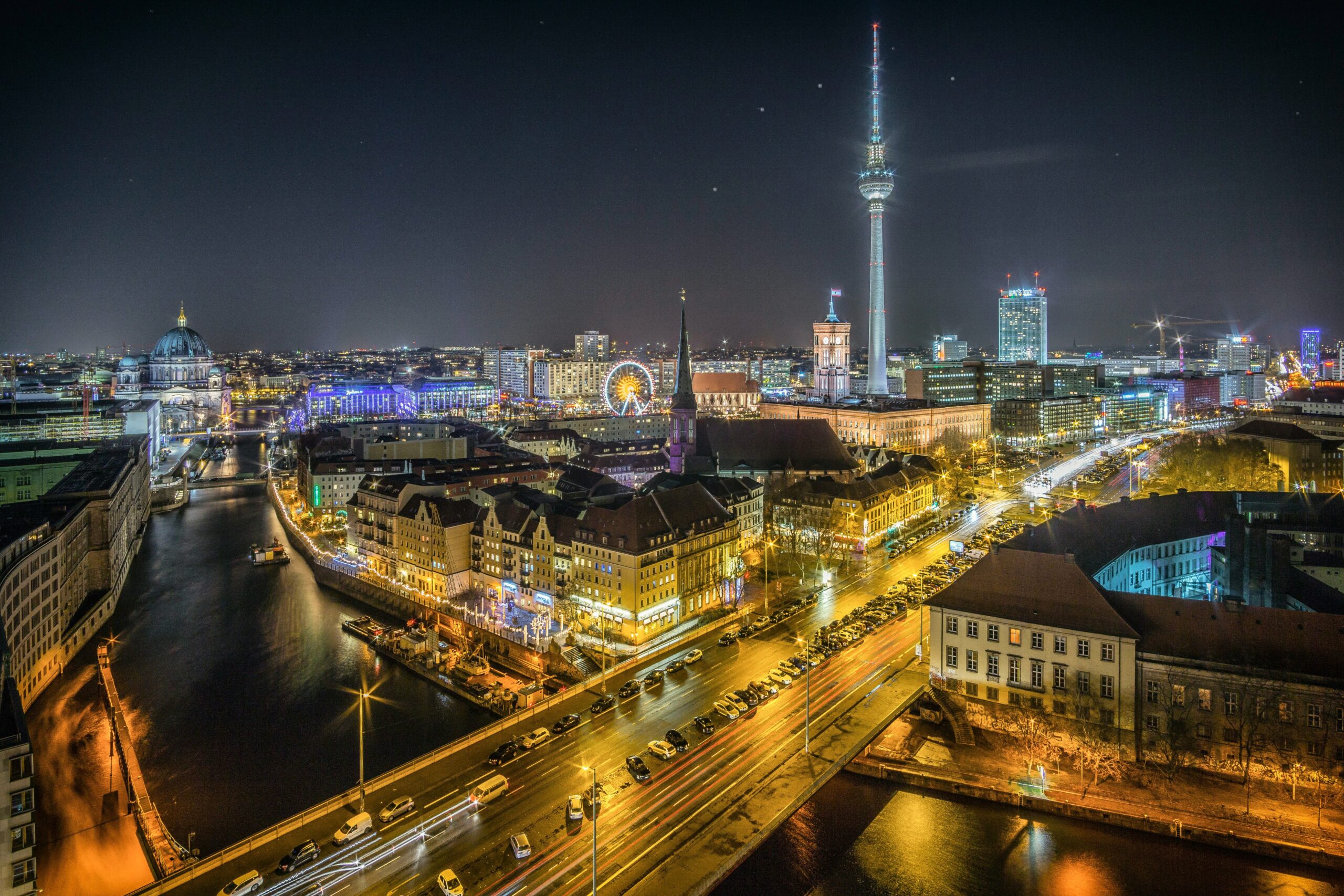
Why Choose Berlin for School Trips?
Berlin is a city where history comes to life. Its landmarks and museums allow students to walk through the events that shaped Europe and the world, from the rise and fall of the Berlin Wall to the aftermath of World War II. Additionally, Berlin’s modern cultural and scientific contributions make it a destination that caters to a wide range of educational interests.
Top Educational Sites in Berlin
1. The Berlin Wall Memorial
The Berlin Wall Memorial offers an in-depth exploration of one of the most iconic symbols of the Cold War. This preserved section of the wall provides a moving insight into the division of Berlin and the human stories behind it.
- Educational Focus: Cold War history, geopolitics, and social impact.
- Activities: Guided tours and interactive exhibits help students understand the significance of the wall and its impact on Berliners’ lives.
- Tips for Educators: Combine this visit with nearby Checkpoint Charlie for a comprehensive overview of Berlin’s divided past.
2. The Brandenburg Gate
As a symbol of unity and peace, the Brandenburg Gate is one of Berlin’s most recognisable landmarks. Its historical significance spans several centuries, making it an essential stop for school groups.
- Educational Focus: European history, architecture, and symbolism.
- Activities: Discuss the gate’s role during events such as the Napoleonic Wars, Nazi rallies, and the fall of the Berlin Wall.
- Tips for Educators: Use the Brandenburg Gate as a starting point for exploring nearby attractions, such as Pariser Platz and the Reichstag.
3. The Holocaust Memorial
The Memorial to the Murdered Jews of Europe is a powerful and thought-provoking site. Its abstract design encourages reflection on the Holocaust’s profound impact.
- Educational Focus: Holocaust education, human rights, and remembrance.
- Activities: Guided tours and workshops provide insights into the memorial’s design and the stories of Holocaust victims.
- Tips for Educators: Pair this visit with a trip to the Jewish Museum for a broader understanding of Jewish history and culture.
4. The Reichstag Building
The Reichstag, home to Germany’s parliament, is an architectural masterpiece and a symbol of democracy. Its glass dome, designed by Sir Norman Foster, represents transparency in governance.
- Educational Focus: Government, politics, and civic responsibility.
- Activities: Guided tours and interactive exhibits explain the building’s history and current function.
- Tips for Educators: Book visits in advance to secure access to the dome, which offers panoramic views of the city.
5. The DDR Museum
This hands-on museum provides a glimpse into life in East Germany during the Cold War. From Trabant cars to recreated living spaces, the exhibits offer an immersive experience of life behind the Iron Curtain.
- Educational Focus: Social history, daily life in the GDR, and propaganda.
- Activities: Interactive exhibits allow students to engage with history in a tangible way, making it ideal for younger learners.
- Tips for Educators: Encourage students to compare life in East and West Germany, sparking discussions about freedom and societal structures.
6. The Pergamon Museum
Part of the Museum Island complex, the Pergamon Museum houses stunning artifacts from ancient civilizations, including the Ishtar Gate of Babylon and the Pergamon Altar.
- Educational Focus: Ancient history, archaeology, and art.
- Activities: Explore exhibits related to the ancient Near East, Islamic art, and classical antiquity.
- Tips for Educators: Use this visit to complement lessons on ancient civilizations and their global influence.
Educational Activities in Berlin
Beyond visiting historical sites, Berlin offers a range of activities designed to engage students in interactive and experiential learning.
1. Walking Tours
Walking tours are an excellent way for students to explore Berlin’s history and culture. Options include:
- Cold War Berlin tours focusing on the Berlin Wall, Checkpoint Charlie, and espionage.
- Nazi Berlin tours exploring sites such as the Topography of Terror and the Memorial to the German Resistance.
2. Museum Workshops
Many of Berlin’s museums offer workshops tailored to school groups. These sessions encourage students to delve deeper into specific topics, such as art restoration, archaeology, or political history.
3. Cultural Experiences
Immerse students in Berlin’s vibrant culture through activities such as:
- Attending a performance at the Berliner Philharmonie or the Friedrichstadt-Palast.
- Exploring street art in the trendy districts of Kreuzberg and Friedrichshain.
Tips for Planning a School Trip to Berlin
- Prepare in Advance
Provide students with background information on the sites they’ll visit. For example, discuss the Cold War before exploring the Berlin Wall or introduce the Weimar Republic before visiting the Reichstag. - Incorporate Interactive Elements
Engage students with activities such as scavenger hunts or group projects related to their experiences in Berlin. - Balance Learning with Leisure
While the focus is on education, include downtime for students to explore Berlin’s parks, markets, or cafes. - Work with Local Guides
Professional guides bring local insights and expert knowledge to your visit, enhancing the educational experience.
Why Berlin is Ideal for School Groups
Berlin is not only a city of the past but also a beacon of progress and innovation. Its ability to blend history with modernity makes it an ideal destination for school groups. Students can explore themes as diverse as human rights, technological advancements, and artistic expression, all within a single city.
The immersive nature of Berlin school trips ensures that students leave with a deeper understanding of the world and their place in it. By engaging with Berlin’s history and culture firsthand, they develop critical thinking skills, empathy, and a global perspective.
Conclusion
Berlin’s rich history and vibrant culture make it a top choice for educational trips. From the Berlin Wall Memorial to the Reichstag, the city offers countless opportunities for students to learn, reflect, and grow. With its combination of iconic landmarks, interactive museums, and hands-on activities, Berlin provides an unforgettable educational experience that brings history and culture to life.
By carefully planning your itinerary and including a mix of historical sites, cultural experiences, and interactive learning, you can ensure your students make the most of their time in this incredible city.