
Creating a warm and functional family space is essential for fostering connection, comfort, and practicality in your home. The heart of the home is not just a single room; it is a culmination of spaces designed to meet the diverse needs of every family member. From cosying up on a leather recliner sofa in the living room to enjoying a serene morning coffee in a conservatory adorned with rattan conservatory furniture, this guide explores practical tips to help you design a space that is both inviting and purposeful.
1. Start with Layout and Flow
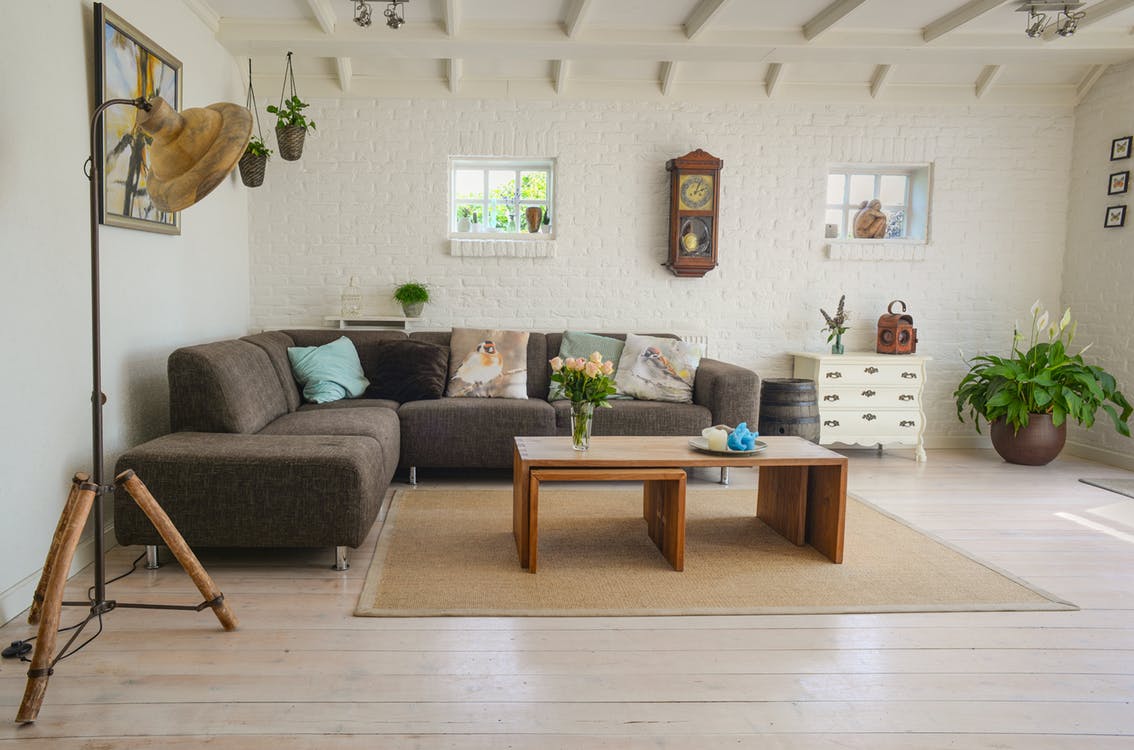
The foundation of any functional family home lies in its layout. An open-plan design often works well for families, allowing seamless movement between the kitchen, dining, and living areas. This setup encourages interaction and ensures parents can keep an eye on children while cooking or tidying up.
When arranging furniture, consider pathways and sightlines. A clutter-free layout promotes flow and maximises usable space. Place essential items like sofas and tables in positions that encourage conversation but do not block traffic. In larger spaces, use rugs or furniture arrangements to create defined zones for relaxation, play, or dining.
2. Choose Family-Friendly Furniture
The furniture in a family home should strike a balance between comfort, style, and durability. A leather recliner sofa is an excellent choice for the living room. Leather is not only luxurious but also easy to clean and resistant to spills—a must for homes with young children or pets. Recliner functionality adds an element of relaxation, making it a favourite for movie nights or leisurely afternoons.
In multi-purpose spaces, opt for modular or adaptable furniture. Extendable dining tables, storage ottomans, and fold-away desks can transform rooms according to your needs, ensuring that no space is wasted.
3. Incorporate Cosy Textures and Warm Colours
A warm family space is all about textures and tones. Soft cushions, plush throws, and thick rugs create a sense of cosiness that invites relaxation. Layer these elements in living and bedroom areas to make spaces feel more lived-in and inviting.
Choose a colour palette that complements your family’s personality. Earthy tones like warm greys, beige, and muted greens exude calmness, while pops of brighter colours can add vibrancy to the room. Incorporating natural materials like wood and rattan enhances warmth. For example, rattan conservatory furniture not only brings a touch of the outdoors inside but also adds texture and charm.
4. Maximise Natural Light
Natural light has a transformative effect on a home, making it feel brighter, more spacious, and welcoming. Large windows, skylights, and glass doors can flood your living spaces with light. In areas like conservatories or sunrooms, rattan conservatory furniture works beautifully to complement the bright and airy atmosphere.
If large windows aren’t feasible, use mirrors to reflect light around the room. Opt for light, sheer curtains or blinds to maintain privacy without blocking the sun’s rays. When artificial lighting is necessary, choose a mix of ambient, task, and accent lighting to create depth and functionality.
5. Add Personal Touches
Family spaces should feel uniquely yours. Personal touches—such as family photos, children’s artwork, and cherished keepsakes—add character and warmth. Display these items in thoughtful ways, such as gallery walls or decorative shelves.
Incorporate items that reflect your family’s interests or hobbies. A bookshelf filled with well-loved novels, a wall-mounted guitar, or a cosy reading nook with a leather recliner sofa can make the space feel authentically yours.
6. Embrace Smart Storage Solutions
A functional family home needs practical storage to keep clutter at bay. Built-in shelves, under-stair storage, and multi-functional furniture can help you organise toys, books, and household essentials. Labelled baskets and bins can simplify tidying up, making it easier for children to participate in keeping the space neat.
For a stylish yet functional touch, integrate storage into your decor. Woven baskets, storage ottomans, and wooden trunks can double as decorative elements while hiding clutter.
7. Create Spaces for Togetherness
A family space should foster togetherness while also allowing room for individual activities. The living room often serves as a central hub for family bonding. A leather recliner sofa can anchor the space, providing comfort and a focal point for gatherings. Arrange additional seating to ensure everyone has a place to relax.
In the kitchen or dining area, consider creating a family-friendly space where everyone can gather. An island with bar stools, a large dining table, or a corner for board games encourages shared moments. In the conservatory, a set of rattan conservatory furniture can become a cosy spot for morning chats or evening unwinding.
8. Make it Kid and Pet-Friendly
Designing a family space often means accommodating children and pets. Opt for durable materials that can withstand wear and tear. Leather and synthetic fabrics are excellent for sofas, as they are resistant to stains and scratches.
Consider safety in every aspect of your design. Rounded edges on furniture, slip-resistant rugs, and secure storage for fragile items are essential for peace of mind. For pets, integrate cosy beds or discreet feeding stations into the overall design.
9. Bring the Outdoors In
Incorporating elements of nature can add a sense of serenity and connection to your family space. Indoor plants, wooden furniture, and natural fibres like rattan create a harmonious link between your indoor and outdoor spaces.
A conservatory or sunroom is an ideal place to blend indoor comfort with outdoor beauty. Adorn this space with rattan conservatory furniture, plush cushions, and greenery to craft a tranquil retreat for the whole family to enjoy.
10. Plan for the Future
Your family’s needs will evolve over time, so it’s essential to design a home that can adapt. Invest in quality, timeless pieces like a leather recliner sofa, and choose neutral tones for larger furniture items to ensure longevity. Spaces like playrooms can transition into study areas or guest rooms as children grow.
Flexible design also means thinking about accessibility and functionality for all ages. Adjustable shelving, easy-to-clean surfaces, and thoughtful lighting can make your home comfortable for everyone, from toddlers to grandparents.
Conclusion
The heart of the home is more than just a physical space; it is the emotional centre of family life. By blending comfort, functionality, and a touch of personal charm, you can create a warm and inviting environment where memories are made. Whether it’s relaxing on a leather recliner sofa or sharing stories over tea on rattan conservatory furniture, the key is to design with love and practicality in mind. With thoughtful planning and a focus on your family’s unique needs, your home can truly become the perfect sanctuary for all.