
Powerful muscles help in powerful living. Most individuals desire muscular arms, sturdy hips and a solid middle, but the comfort of the joints usually restricts development. There is a lot of strain on such vulnerable parts as knees, wrists and lower backs during intense training.
A more intelligent method involves slow and controlled movements that are also strengthening, but without the painful effect of heavy exercises. The approach helps to promote mobility, enhance balance, and safeguard health in the long run.
Why Joint Friendly Training Matters Today
Modern fitness culture often pushes fast results. High-impact workouts fill social feeds and challenge people to keep up. Yet many bodies respond better to training that respects joint limits. Pain, tightness, and fatigue create barriers that slow progress. Smart training removes those barriers.
Controlled training brings muscles through full ranges without harsh force. This style supports people who want muscle tone, better posture, and steady strength with less discomfort. It offers a path that fits beginners and experienced athletes.
Guidance from Harvard Health shows that low-impact exercise can ease joint pain and support safer movement.
The Power Of Slow, Guided Strength Work
Slow movements help the body build strength with more accuracy. Each rep uses controlled patterns that activate deep muscle groups. These muscles protect the joints and help keep the body aligned during daily tasks. Guided resistance also improves balance and coordination.
This method trains muscles in a way that heavy weights or high-impact drills cannot match. Slow patterns highlight weaknesses and help muscles strengthen at a steady pace. This leads to stronger cores, better stability, and improved mobility.
Many people use guided tools like straps, springs, and home setups that include helpful pilates equipment for smooth resistance work. These tools support proper form and offer safe levels of resistance. This makes training accessible for people with joint concerns who still want strong results.
Why Reformer Style Training Supports Joint Health
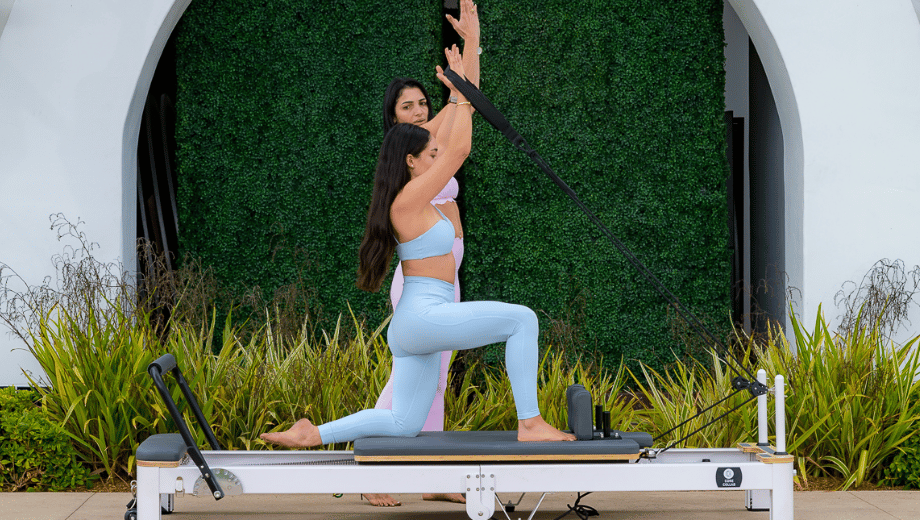
Reformer-based training uses sliding platforms, adjustable springs, and guided resistance. This setup helps people control each phase of the movement. The resistance remains smooth from start to finish. This reduces joint pressure while still challenging the muscles.
Machines like the Sculptformer offer structured patterns that support alignment. They are used by many people seeking a high-intensity approach without heavy loads on the joints. These machines share features with popular reformer styles seen in boutique studios. They allow users to develop strength, power, and endurance through slow, guided effort.
Key benefits from reformer-style training include:
- Better core activation during every movement.
- Improved hip and glute strength for total body support.
- More control during lengthening and contracting phases.
- Less stress on wrists, knees, and lower backs.
These results help people stay active without sacrificing comfort.
The Balance Between Strength And Mobility
Joint-friendly training focuses on more than muscle size. It builds mobility through controlled lengthening. Muscles become stronger and more flexible at the same time. This dual effect supports the body during walks, lifts, and everyday movements.
When muscles move through slow patterns, they strengthen at new angles. This reduces the chance of strains or misalignment. The approach trains the body to move with stability and confidence.
Balanced training also supports long-term progress. Strength grows steadily. Joints remain protected. The body gains power without the fatigue caused by harsh impact.
Why People Choose Low-Impact Strength Routines
People choose this method for many reasons. Some want to avoid heavy impact due to past injuries. Others want strength that supports daily life instead of strength that only shows in the gym. Many appreciate routines that focus on safety and alignment.
Low-impact routines help people stay committed because they reduce discomfort. Training becomes enjoyable instead of painful. Progress feels natural and steady. This encourages long-term consistency.
These routines also fit into busy schedules. Short sessions can produce strong results when the movements are controlled and purposeful.
How To Start Joint-Friendly Strength Training
A smart starting point uses a simple structure. The goal is to activate muscles with intention. Begin with small sessions and increase time when the body feels ready.
- Warm Up: Gentle stretching with slow breaths prepares the muscles for movement.
- Core Activation: Simple core exercises help protect the spine during strength work.
- Lower Body Patterns: Controlled lunges, leg presses, or guided leg movements help build hip support.
- Upper Body Patterns: Slow push and pull movements increase shoulder stability.
- Cool Down: Light stretching helps maintain flexibility and reduces tension.
This structure fits well with reformer-style training because the machine guides many of these patterns. Springs offer adjustable resistance that supports each phase. This creates a smooth path toward stronger, safer training.
How Reformer Machines Help Improve Everyday Movement
Reformers improve real-world movement. The sliding platform trains the body to move with alignment. Springs teach muscles to activate early. This helps the body stay stable during tasks like lifting, walking, and sitting.
The machine teaches the body to stay balanced. Users learn to control each movement through slow, steady pressure. This skill transfers to daily life. People feel stronger and more capable during routine activities.
Reformer machines also strengthen small stabilizing muscles. These muscles often go unused during traditional workouts. When these muscles wake up, the body gains more power and better posture.
Experts at the Johns Hopkins Arthritis Center note that structured exercise helps protect joints while improving strength and mobility.
Building Confidence Through Controlled Strength
Joint-friendly strength training builds more than muscle. It builds confidence. People feel safe during their workouts. They understand each movement. They feel progress with every session.
Confidence grows when the body feels supported. Strong muscles help protect joints. Good alignment reduces discomfort. Smooth resistance keeps training enjoyable.
As confidence grows, people try new movements. They feel motivated to continue. This creates a cycle of progress that supports long-term health.
Choosing The Right Setup For Home Training
Home training offers comfort and flexibility. Many people choose reformer-style machines for guided resistance. These machines support people who want structured strength without harsh impact.
Look for features that support safe, controlled training:
- Adjustable springs for customized resistance.
- A stable sliding platform for smooth motion.
- Handles and straps for targeted strength work.
- Clear resistance levels for guided progression.
A quality machine can support many training goals. It can help shape lean muscles, protect joints, and support mobility.
Final Thoughts
Strength training does not need to cause joint discomfort. A smarter approach uses slow, controlled movements that build power with less impact. Reformer-style machines create guided resistance that supports the body during each phase. This method offers strong results with greater comfort and fewer barriers.
People who choose this path often find more stability, better posture, and improved mobility. Joint-friendly strength training supports long-term progress and steady confidence. It offers a powerful way to grow stronger without sacrificing comfort.