
Garden parties hold a distinct place in British social life. They combine the openness of an outdoor setting with the structure of traditional entertainment. When carefully arranged, they leave guests remembering not only the setting, but the overall ease and atmosphere of the day.
The success of a garden party rarely comes down to a single decorative feature. It rests on considered planning, practical layout decisions and a clear understanding of how guests will move through the space. When comfort and flow are prioritised, the event feels natural rather than constructed.
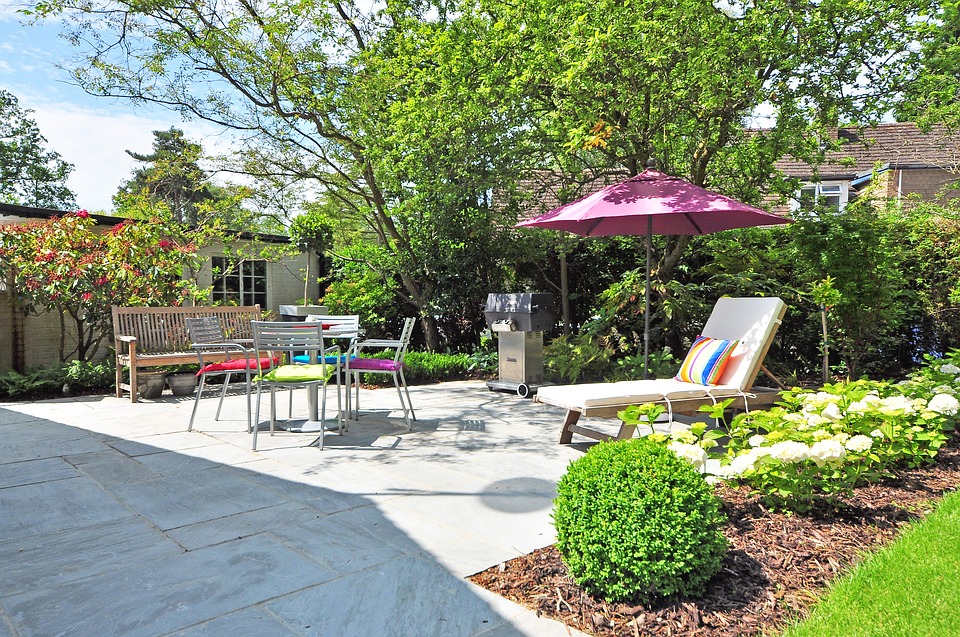
Choosing the Right Date and Time for Outdoor Entertaining
Timing influences both comfort and logistics. In the UK, late spring through early autumn generally offers the most reliable conditions for outdoor gatherings. Early summer provides extended daylight hours and moderate temperatures, allowing events to run comfortably into the evening without immediate reliance on artificial lighting.
Before confirming a date, reviewing local event calendars can prevent avoidable complications. Bank holidays, sporting fixtures or nearby festivals may affect traffic patterns and parking availability. Selecting a date that avoids congestion supports smoother arrivals and departures.
Weather planning forms an essential element of outdoor event organisation. Reviewing recent UK seasonal weather patterns before confirming final arrangements helps hosts anticipate rainfall, temperature shifts and prevailing wind conditions. Reserving a gazebo or stretch tent in advance protects against unexpected changes, while early booking ensures suppliers can allocate structures that suit the size and layout of the garden.
Daylight also shapes the atmosphere of an outdoor gathering. In many parts of England, sunset in late spring can occur close to 8:45pm, allowing natural light to carry the event well into the evening. By early autumn, the sun sets earlier, requiring supplementary lighting for gatherings extending beyond 7pm. Installing lighting in advance prevents disruption once guests have arrived.
Festoon lights, lanterns and solar path markers positioned around seating areas and walkways maintain visibility and create a welcoming tone as evening approaches. Lighting placed at varying heights adds depth without overwhelming the space.
Creating Comfortable Seating Arrangements for Different Group Sizes
Seating remains one of the most important practical considerations. Allowing adequate space per guest ensures movement feels unrestricted. Guests should be able to pull out chairs, carry drinks and pass between tables without difficulty. Careful spacing supports comfort and safety.
For larger gatherings, sourcing coordinated furniture from a professional event furniture hire company simplifies preparation and ensures consistency across the space. Working with Velvet Living allows hosts to access matched outdoor pieces designed for British conditions, supporting a cohesive layout without relying on improvised household items.
Combining different seating styles can support varied guest preferences. A long dining table may anchor the main meal, encouraging shared conversation. Smaller bistro tables positioned nearby allow more intimate groups to gather. Lounge seating arranged around a focal feature such as a fire pit offers a relaxed area for later in the day. This structured layering of seating supports both wedding furniture hire arrangements and informal celebrations.
Providing shade improves comfort during afternoon events. Parasols, sail shades or tented structures positioned over primary seating areas protect guests from direct sun. Shade placement should account for the movement of light across the garden throughout the day.
Arranging Furniture to Support Conversation and Flow
Furniture layout should encourage interaction rather than restrict it. Clusters of four to six chairs create natural conversation zones and allow guests to circulate between groups. This arrangement feels more flexible than a single continuous row of seating.
Maintaining clear pathways between seating areas reduces congestion. A width of approximately 90 centimetres aligns with general UK pavement and footpath design standards, allowing guests to move comfortably while carrying plates or drinks. Pathways should connect food stations, seating areas and garden access points without crossing through densely seated zones.
Focal features positioned near seating clusters provide visual anchors. Fire pits, planters or garden structures can define gathering points without dominating the layout. These elements give each section of the garden a sense of purpose while maintaining cohesion across the space.
Selecting Practical Décor That Withstands Outdoor Conditions
Outdoor décor must respond to the environment. Treated timber, powder-coated metal and weather-resistant fabrics perform better than untreated materials when exposed to moisture and fluctuating temperatures. Lightweight decorative elements should be secured to prevent movement in wind.
Battery-operated lighting eliminates the need for cables across lawns, reducing trip hazards and aligning with established UK garden electrical safety guidance. Lanterns and solar lights positioned along pathways provide practical illumination while reinforcing the evening atmosphere.
Colour palettes work best when they complement existing greenery. Neutral tones and soft shades integrate naturally within garden surroundings. Potted plants and seasonal flowers placed around seating areas help unify decorative elements with the landscape.
Managing Food Service and Refreshment Stations
Food service layout affects the pace of the event. Separating drinks, main dishes and desserts into distinct stations prevents bottlenecks. Distributing these areas across the garden encourages guests to move and interact rather than gather in a single crowded zone.
Catering quantities should reflect the time of day and style of the gathering. Afternoon events may require lighter options, while evening occasions often call for more substantial offerings. Perishable items should remain shaded or refrigerated until service to maintain quality and safety.
Clear labelling of vegetarian and allergen-sensitive options reflects current expectations at well-organised events and aligns with established UK allergen information requirements for non-prepacked foods. Simple ingredient identification allows guests to make informed choices without additional explanation.
Positioning Beverage Areas for Easy Guest Access
Drink stations benefit from thoughtful placement. Locating them slightly away from primary seating areas improves circulation and reduces congestion, particularly during peak moments when guests are refilling glasses at the same time. When food and drink share one location, queues form quickly and interrupt the natural rhythm of the gathering. Separating these zones helps maintain steady movement across the garden and keeps conversations flowing.
Placing beverage areas along a natural walkway, rather than in a corner, allows guests to approach and leave without blocking others. Clear sightlines to the station also prevent guests from having to search for refreshments. A simple, uncluttered setup encourages ease of use and keeps the space feeling organised.
Insulated containers filled with adequate ice allow guests to serve themselves comfortably and keep drinks at a safe temperature throughout the event, reflecting established UK food safety and hygiene standards. Self-service reduces pressure on the host and ensures refreshments remain available even when attention is elsewhere.
Non-alcoholic options should remain equally visible and accessible as alcoholic beverages, supporting inclusivity and making every guest feel considered. Clear labelling and grouped placement of similar drink types further simplify access and prevent unnecessary crowding around a single table.
Maintaining Practical Considerations Behind the Scenes
While décor and layout shape guest experience, behind-the-scenes organisation sustains the event. Coordinating delivery times, setup schedules and collection arrangements ensures the garden returns to its usual function after the gathering concludes.
Working with experienced suppliers simplifies these processes. Clear communication about access routes, surface conditions and timing allows furniture and structures to be positioned efficiently. Careful coordination supports a smooth transition from preparation to celebration and back again.
Waste management also deserves attention. Providing clearly marked bins in discreet locations helps maintain tidiness throughout the event and aligns with current UK household recycling requirements in England. Arranging collection promptly after the gathering prevents the garden from feeling cluttered the following day.
Careful timing, practical layout, reliable seating and considered food service all contribute to how guests experience the day. When each element supports comfort and flow, the event feels balanced rather than improvised.
Clear pathways, accessible refreshment areas and coordinated furniture ensure that conversation unfolds naturally across the space.
Behind the atmosphere lies structure. Managing lighting, safety, waste and supplier coordination protects both the garden and the guest experience. These practical decisions reduce pressure on the host and maintain order throughout the gathering.
When preparation supports simplicity, the garden becomes a setting for connection rather than logistics. Guests leave remembering the ease of the day, and the space returns smoothly to everyday life.