
I love living in an older home in Milton Keynes – the large proportions, the original features, the slightly quirky layout, and knowing the house has a story behind it. But as lovely as period properties are, their kitchens do not always suit modern life. Storage and worktop space is often limited, lighting is not always where you need it, and awkward features such as chimney breasts can make the room harder to use.
The good news is that updating a period kitchen does not have to mean stripping out all of its charm. With the right approach, it is perfectly possible to create a kitchen that feels brighter, more practical and easier to use, while still respecting the age and character of the house.
If you’re trying to improve your kitchen and you’d like a bespoke kitchen Milton Keynes without losing what makes it special, working with an experienced kitchen fitter can help you find the right balance between preserving character and making the space work better.
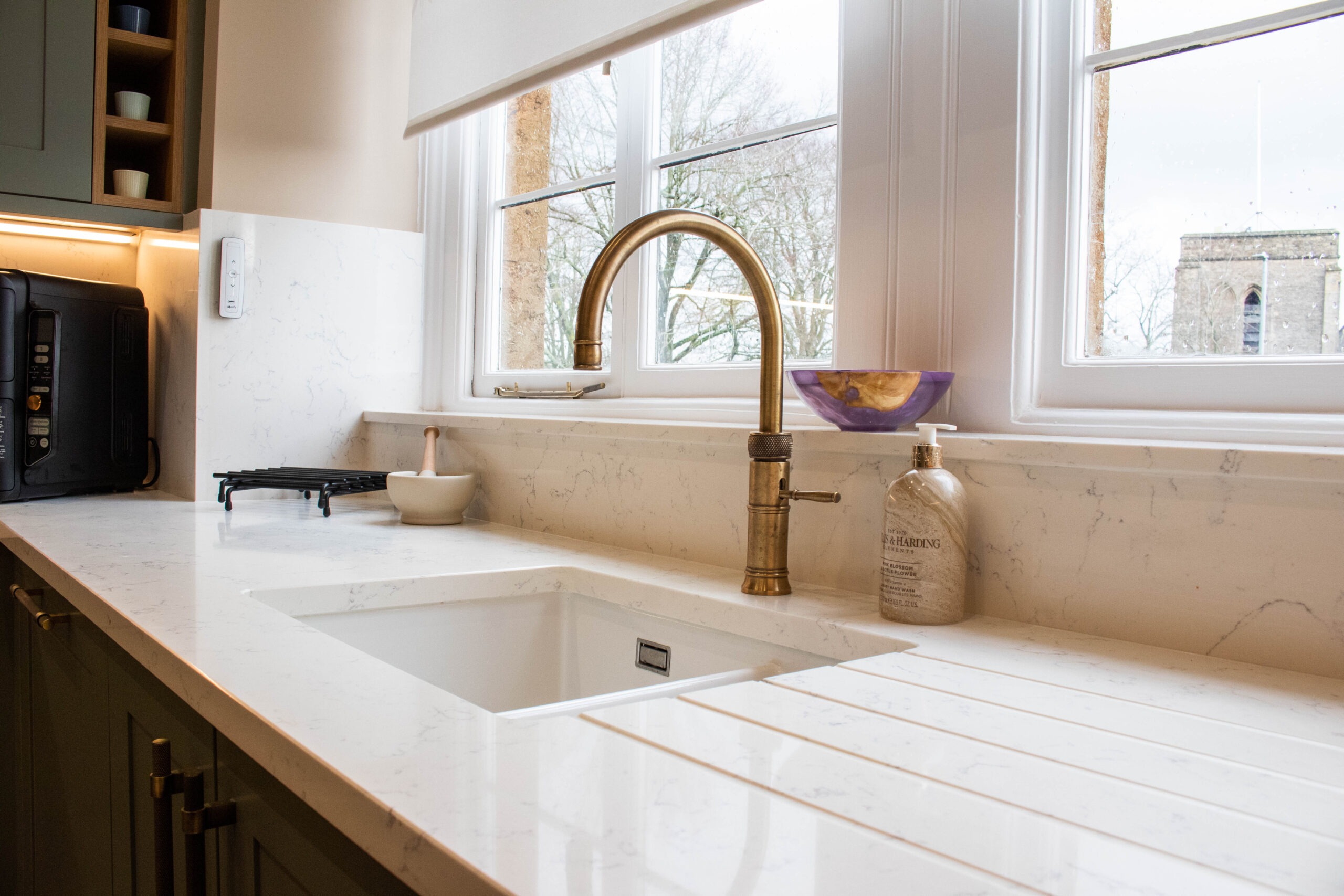
Start with the architecture, not just the aesthetic
One of the easiest mistakes to make in a period home is designing the kitchen as if it were a blank box. Older properties rarely are. They often come with alcoves, uneven walls, original fireplaces, high ceilings, narrow rooms, or windows and doors placed in ways that do not suit standard kitchen layouts.
Rather than seeing those details as problems, it helps to treat them as the starting point for the design. A chimney breast might become a natural focal point, or an alcove might be the ideal place for pantry storage. A long narrow room may work better with a galley layout and carefully planned circulation than with an island forced into the middle.
Keep the features that give the room its identity
Not every original detail needs to be preserved at all costs, but the features that give a room its sense of place are often worth keeping where possible. Original beams, exposed brick, period fireplaces, and old floorboards can all help a kitchen feel connected to the rest of the home.
In many cases, balance works best. You might pair classic painted cabinetry with cleaner worktops and more contemporary storage inside. You might keep original architectural details, then introduce modern lighting and appliances in a more discreet way. The result feels considered rather than themed.

Choose materials that feel at home in an older property
Materials have a huge effect on whether a kitchen feels sympathetic to a period home. Painted timber cabinetry, natural stone, aged brass, timber accents and muted colours tend to sit more comfortably in older spaces than anything too glossy or stark.
Warm whites, soft greens, deep blues, earthy neutrals and heritage-inspired tones all tend to work well in period settings. These shades can bring a calm, settled feel to the room, especially when paired with natural textures and good lighting.
Make storage work harder behind the doors
One of the biggest reasons people choose to renovate a kitchen is not just appearance but practicality. Older kitchens are often short on useful storage, especially if they were designed long before modern appliances, food shopping habits and busy family life.
Good storage does not have to come at the expense of character. In fact, one of the best ways to modernise a period kitchen is to keep the overall look in tune with the house while improving what happens behind the cabinetry.
Deep drawers can be far more useful than traditional cupboards. Pull-out larders can make better use of narrow spaces. Internal bin storage, corner solutions and tailored cabinetry can help awkward rooms feel much more functional. When storage is carefully planned, the whole kitchen becomes easier to keep tidy, which helps the design itself shine.

Think carefully about lighting
Lighting can transform the feel of a kitchen, especially in period homes where natural light may be uneven throughout the day. A single ceiling pendant is rarely enough. The best kitchens usually combine several types of lighting so the room feels practical as well as inviting.
Task lighting under wall units can make worktops easier to use. Pendant lights over a table or island can help define a zone. Softer wall lighting or carefully chosen ceiling fittings can add warmth and atmosphere in the evening.
Let modern appliances blend in more quietly
Most of us want modern appliances, but they do not always need to dominate the room visually. In a period kitchen, it often helps if integrated appliances are used where possible, or if freestanding pieces are chosen carefully so they feel in keeping with the rest of the design.
Extractor fans, refrigeration and even smaller appliances can often be handled in a more discreet way than people expect. The result is a kitchen that works properly for everyday life without losing the calmer, more characterful feel that makes period homes so appealing.
Focus on how you live, not just how it looks
A successful kitchen renovation is about more than choosing doors, handles and paint colours. It should make the room better to live in. That means thinking about how you cook, where you drop shopping, how many people move through the space, where you need sockets, how much storage you genuinely use, and whether the room needs to work for entertaining, homework, laundry or pets as well as food preparation.