
In today’s fast-paced world, our homes have become more than just places to eat, sleep, and relax. They’re sanctuaries where we seek tranquillity and balance. One emerging trend that captures this need for peace is biophilic design, which integrates elements of nature to create a soothing indoor environment. This approach goes beyond adding plants to your space; it’s about creating an immersive, green-inspired ambiance that positively impacts your well-being. Here’s how to bring this approach to life in your home.
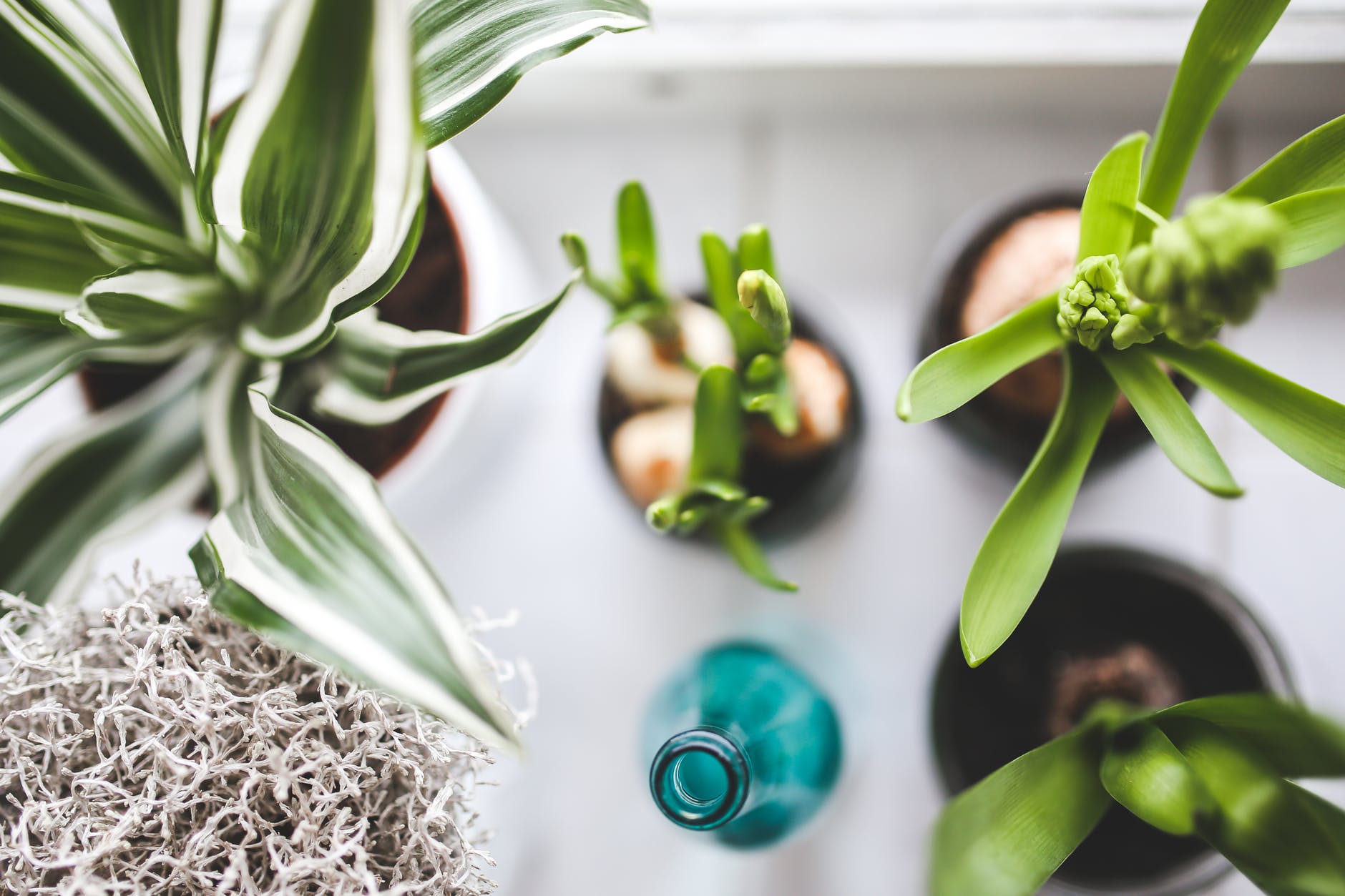
Use Natural Textures and Materials
To design an interior that truly feels connected to nature, start by focusing on the materials. Wood, stone, bamboo, and clay are excellent choices, as they provide a tactile link to the outdoors. For instance, a stone or wooden coffee table not only grounds your space but also provides visual interest through its natural variations. When selecting materials, try to avoid synthetic finishes; instead, opt for raw textures that reveal their true nature.
If you’re considering a new sofa, choose one made from organic fabrics like cotton or linen. You could also personalise it through quality couch upholstery in earthy hues, as this reinforces the natural feel of the room.
Maximise Natural Light
A core element of biophilic design is natural light, which can change the entire atmosphere of a room. Large windows, skylights, and light-coloured walls can help maximise daylight. For those living in apartments or spaces without much direct sunlight, mirrors and reflective surfaces can amplify any available light, creating a brighter and more open feel.
Create Visual Flow with Colours
Colour is a powerful way to evoke the peace of nature in your space. Opt for a palette inspired by landscapes, such as soft greens, warm browns, and light greys. These tones create a harmonious atmosphere and help reduce the stress often associated with artificial, bold colours. In biophilic design, visual flow is key; each colour should feel like a continuation of the next, mimicking the seamless transitions we see in natural environments.
Incorporate Calming Sounds and Scents
Beyond the visual, biophilic design also engages other senses. Adding elements like a small indoor water fountain can bring the soothing sound of flowing water into your home. Essential oils, natural candles, or incense with scents like cedarwood, eucalyptus, or lavender can transport you to a forest or a meadow. These sensory touches reinforce the calming environment, making your home feel like a true retreat.
By thoughtfully choosing natural materials, maximising daylight, and engaging all your senses, you can create a biophilic space that feels both stylish and serene. Not only will this approach refresh your home, but it can also refresh your mind.