

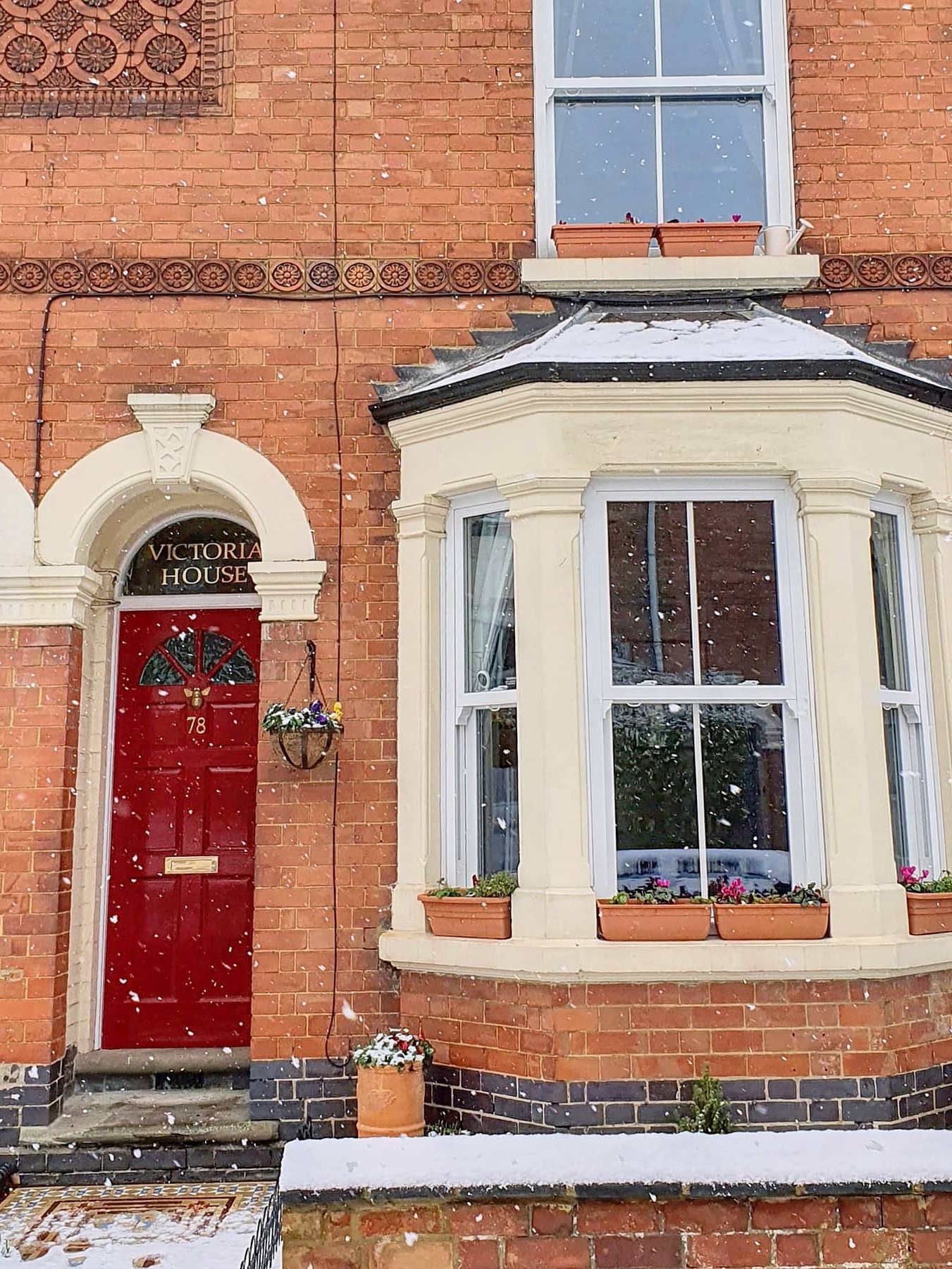
A couple of years ago, in September 2023, I became one of the first people in the UK to apply for the Great British Insulation Scheme (GBIS). I’d been eagerly waiting for it to open for applications so I was quick to apply. Living in a Victorian terrace house in Milton Keynes, winters could get very chilly, and I was keen to make my home a little more energy efficient (and comfortable!).
What Is the Great British Insulation Scheme?
The Great British Insulation Scheme is a UK government initiative designed to help people make their homes more energy efficient by providing free or heavily subsidised insulation. The scheme was launched in 2023 and is delivered through energy suppliers.
Unlike some previous energy-saving schemes, GBIS isn’t means-tested, which means you don’t have to be on benefits to qualify. Instead, eligibility depends on factors like your property type, council tax band, and energy performance rating (EPC).
The scheme covers a range of insulation measures, such as loft insulation, cavity wall insulation, solid wall or room-in-roof insulation, and ventilation improvements, like extractor fans.
There’s been a lot of talk in the news recently about failed external wall insulation from this scheme, so that’s something to be aware of.
The goal is to make homes warmer in winter, lower energy bills, and reduce carbon emissions — all great news for both your comfort and your wallet.
Who can apply?
You can apply if:
-
-
Your property has an EPC (Energy Performance Certificate) rating of D, E, F or G (i.e. less efficient).
-
AND your home is in Council Tax bands A-D if in England, or A-E if in Scotland or Wales.
-
You can be a homeowner, tenant (private or social housing) or landlord, but if you rent, you’ll need permission from the landlord or housing provider before any insulation can be installed.
Applying for the Scheme
Although my energy provider is Octopus, I actually applied through British Gas because they were much quicker to respond at the time. Our property had an EPC rating of D and is council tax band B, so we meet the eligibiliry criteria. Within a week or two, one of their contractors called me to arrange a home survey, and a couple of weeks later, a surveyor came to assess my property.
They checked the ventilation in our home and confirmed that my house was suitable for loft insulation and my funding had been approved! They also fitted three new extractor fans — usually around £70 each plus installation — all completely free under the scheme. I had one put in our kitche, one in the utility room, and one in the downstairs toilet (we already had one in the upstairs bathroom).

The Loft Insulation Installation
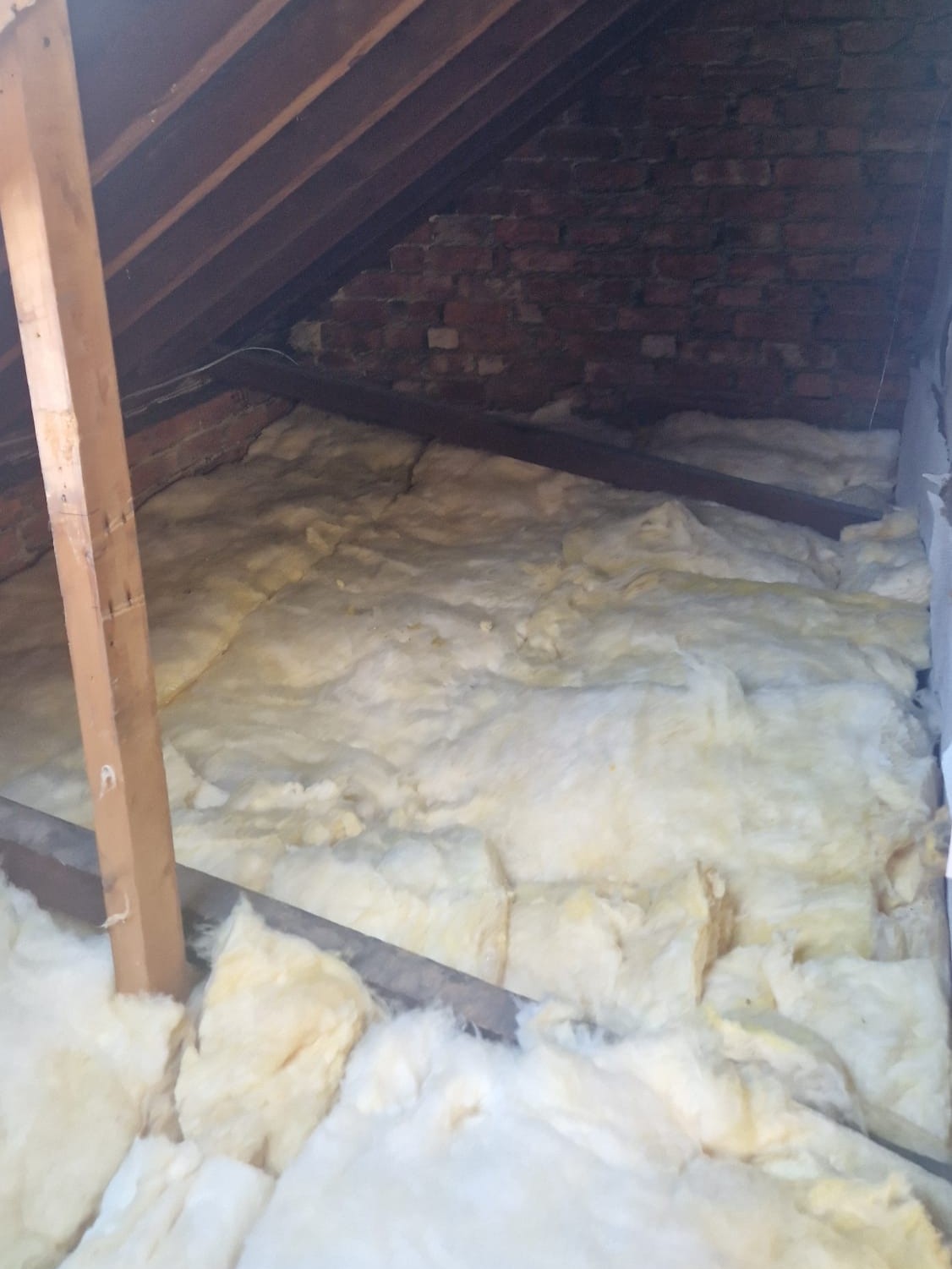
Three weeks later, the insulation team arrived and fully insulated my loft, even tackling the hard-to-reach corners. The work was done quickly, cleanly, and to a really high standard. It’s now been about two years since the installation, and I’ve had absolutely no issues.
Even though my husband and I both work full-time and aren’t on any benefits, we were still eligible because the scheme isn’t means-tested – it’s based on your property type and energy efficiency rating.
Since having the insulation done, I’ve noticed that the house retains heat much better, and our energy bills have dropped noticeably. The loft feels warmer in winter and cooler in summer, and the whole process was completely free of charge for me. They also completed a new EPC report for us so although our EPC rating is still D, it’s gone up quite a few points!
I think the Great British Insulation Scheme is a fantastic initiative. It made a real difference to our home’s comfort and efficiency. Of course, I’ve heard that not everyone’s experience has been as smooth as mine, but personally, I can’t fault it.
If you live in an older home like I do, it’s definitely worth checking your eligibility – especially before another cold winter rolls in!




Thank you for the helpful information regarding Great British Insulation Scheme