When we first bought our Victorian house, one of the very first things I fell in love with was the original fireplace. It is such a beautiful feature and instantly gives the room character, charm and that unmistakable Victorian feel.
Unfortunately, the chimney had been capped off and needed quite a bit of work, which meant we could not actually use the fireplace at all. As much as I loved looking at it, it felt such a shame to have this gorgeous focal point sitting there purely for decoration, but then we discovered bioethanol fires.
If you’d like to keep up to date with our Victorian terrace house renovation then you can follow my home account on instagram @victoriahouse78

No Chimney Needed with Bioethanol Fireplace
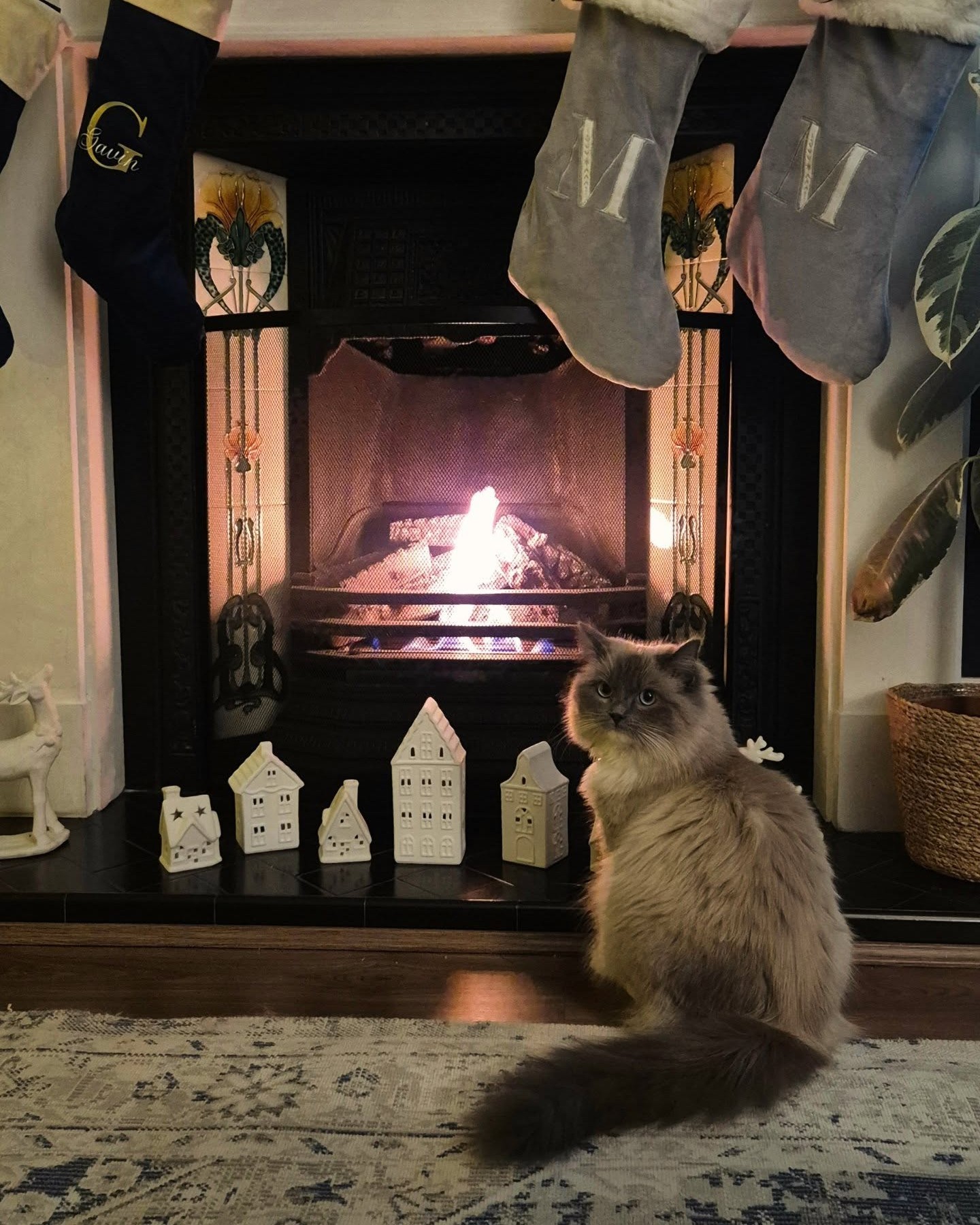
We decided to try a bioethanol fireplace conversion package, and I am so impressed with how well it works. The biggest bonus is that you do not need a chimney at all. Because bioethanol fires do not produce smoke, soot or ash, they are perfect for period homes where chimneys are blocked or no longer usable.
The fire sits neatly inside our original Victorian fireplace, so we still get to enjoy the authentic look without any major building work. It feels like the best of both worlds!
Victorian Fireplace With Real Flame & Warmth
This is not an imitation flame or an electric glow. It is a real flame that gives off genuine heat, creating a lovely warm and cosy feeling in the room. We have been lighting it in the evenings recently and it completely transforms the space.
Using it could not be easier. You simply pour the bioethanol fuel, which is a clean burning liquid that comes in a bottle, into the metal burner box and light it. That’s it. No logs to carry, no ash to clean up and no lingering smells.

Realistic Finishing Touches
One of my favourite details has to be the logs – they look incredibly realistic but are actually made from ceramic. They add so much to the overall effect and really help the fire feel authentic, especially sitting inside a traditional Victorian fireplace. Unless you look very closely, you would never guess they are not real logs.
Bioethanol Fireplace FAQs
Can I have a bioethanol fireplace in a Victorian or period property?
Usually, yes. Because bioethanol fires do not need a chimney or flue, they are often much easier to add to older homes than wood burners or gas fires.
Will it damage original features?
It should not, as long as it’s fitted sensibly. Lots of bioethanol fireplaces are freestanding, or can sit inside an existing fireplace opening without drilling into original brick, stone or timber. So you keep the character, without the disruption.
Do I need a chimney or a flue?
Nope. Bioethanol burns cleanly, so there’s no smoke, soot or ash. That means no flue liner, no chimney sweep, and no mess on the walls.
Is it safe to use in an older house?
Yes, if you use it properly. Stick to the instructions, only use the right fuel, and keep the room ventilated (like you would with candles). It’s a real flame, so basic fire safety still applies.
Will it actually give off heat, or is it just for looks?
It does give off real heat, but think of it as extra warmth rather than your main heat source. It’s great for taking the chill off a living room, adding cosy warmth, and making the space feel inviting.
Can I put a bioethanol burner in my existing open fireplace?
Yes! Like I’ve done here, I’ve added a bioethanol burner box to my existing Victorian fireplace.
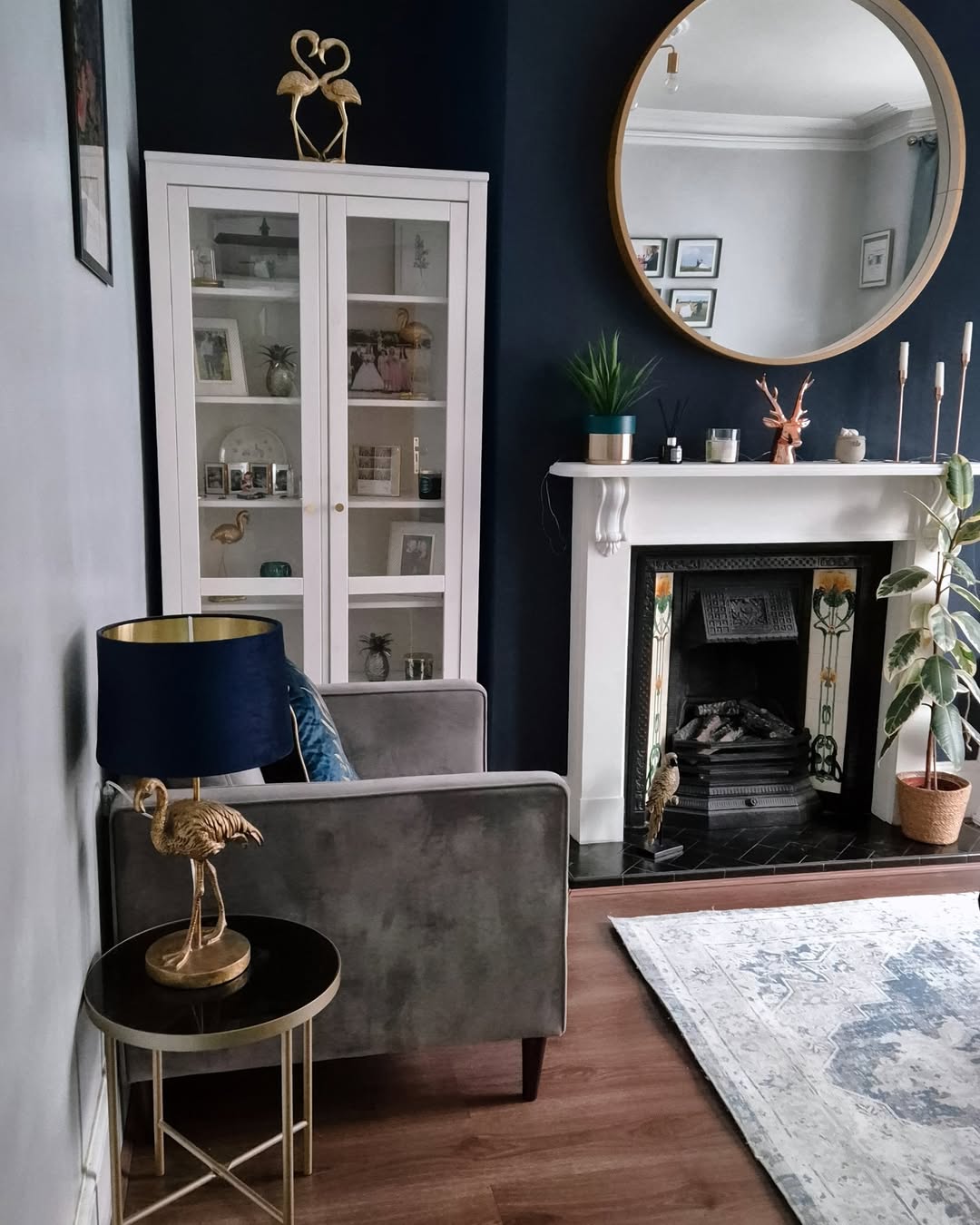
This bioethanol fire box works brilliantly and allows us to actually use our fireplace rather than just admire it. It has made such a difference to the room and finally lets us enjoy this beautiful original feature the way it deserves to be enjoyed.
If you live in a Victorian or period property and thought a real fire was out of the question, I would highly recommend looking into bioethanol fireplaces. They are stylish, practical and a wonderful way to bring warmth and life back into a historic home.
I am so glad we found a solution that lets us get proper use out of our gorgeous Victorian fireplace at last!