Log cabin interiors are both stylish and practical and have been popular for a long time. While log cabin interior designs were necessities on the frontier years ago, they are also regarded as modern in 2026. The reason for their lasting allure is that they fulfill a deep human desire to reconnect with nature. Log cabins still exist because they fulfill both emotional and practical design needs, adapting over time without losing their essence. Essentially, the secret to longevity lies in the Material Truth Paradox Framework: what you see in a log cabin interior (form) is the structure itself (substance).
Unlike trends that employ aesthetic applications, such as shiplap or faux beams, logs are already honest. The walls are the structure, the beams are load-bearing, and the wood grain is not repeatable. The ‘truth substrate’ of cabins supports an enormous range of stylistic overlays, from Scandinavian minimalism to industrial edge or maximalist luxury. Few other interior architectures offer such versatility.
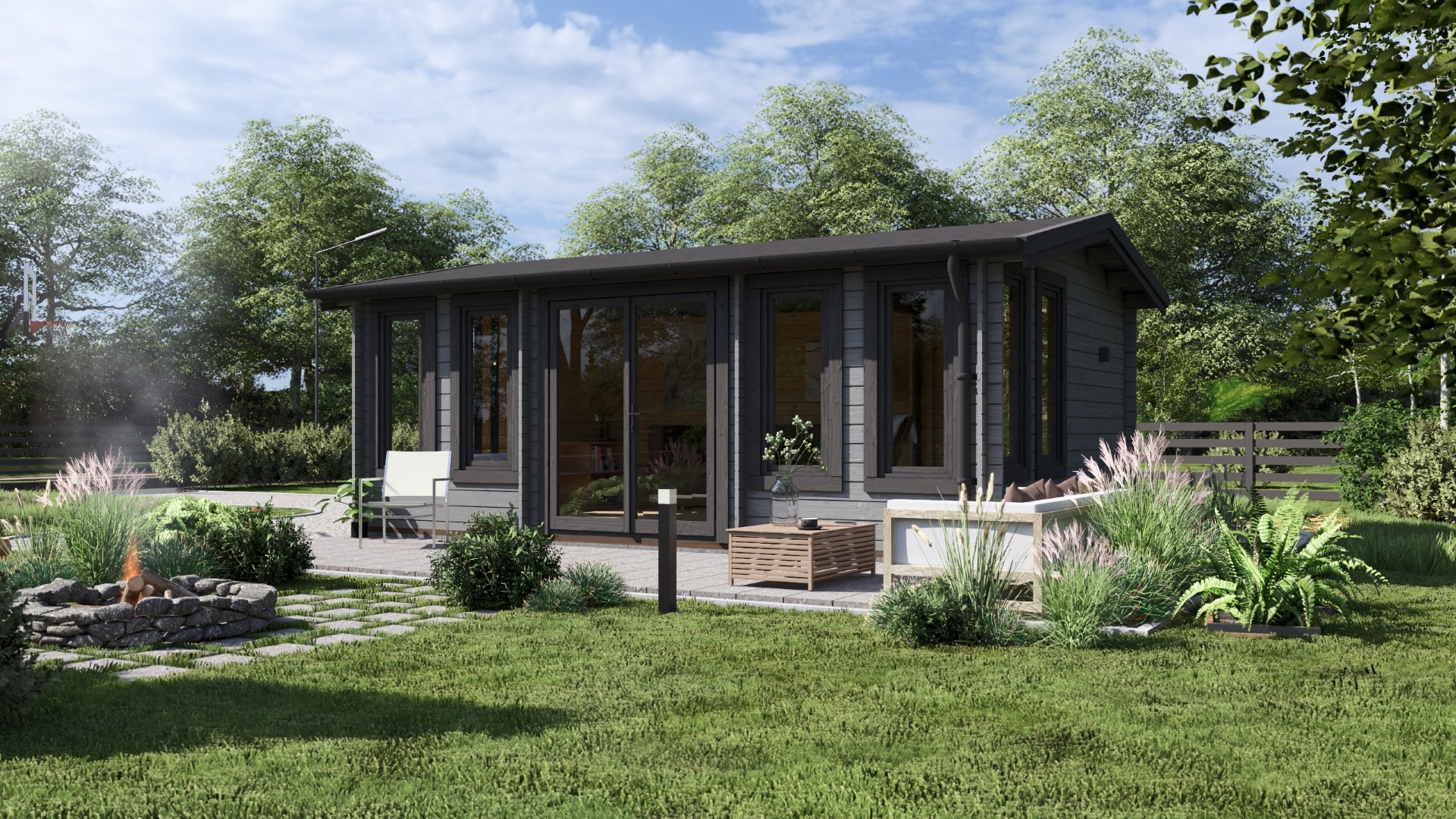
Why Do We Crave Cabin Aesthetics?
People have an intense craving for the cabin aesthetic due to the need for biophilic design and a deep-seated human desire for natural materials. The presence of wood creates a strong sense of refuge, making spaces feel safe, warm, and intimately associated with nature. A 2026 rapid review found that exposure to real nature in built environments produces stronger psychological benefits than exposure created by augmented reality, including stress recovery and faster recovery from emotional distress. Owning your story matters today in a world that’s becoming increasingly digital. Research shows that biophilic interventions lower physiological stress markers such as heart rate, blood pressure, and cortisol. Having natural wood on your interiors brings these wellness benefits straight into your homes.
How Do Log Cabins Adapt to Every Era?
Log construction has evolved with each era because its basic building components are highly flexible. The chunky exposed beams and solid log walls support the structure but also make a strong aesthetic statement. The rustic charm accommodates minimalist, maximalist and hybrid styles easily. Modern log cabin design preferences favor an open feel, with contrasting materials used to create an impact. Cabins inspired by Scandinavian design have clean lines and light-colored logs that give them a soothing look. Dark, rich logs are combined with luxurious fabrics and metallics in rustic-luxe designs. Industrial-cabin designs combine wood with steel, glass, and concrete. The structural benefits of log interiors make them suitable for both intimate cottages, as well as large multi-storey lodges. This built-in flexibility makes it possible to change its aesthetics continuously without losing its essence.
How Does Material Honesty Meet Contemporary Design Trends?
The concept of ‘material honesty’ which was used prominently in log cabin construction is wholly in keeping with a 2026 trend of architectural and design ‘material transparency’. Even if we cannot see through them literally, we understand the idea of materials being used raw or capturing authenticity. Log cabins have embodied this principle for centuries, dating back to early historical construction practices. The texture of natural wood grain is so beautiful that it doesn’t need any decoration as it does not need to be designed. Logs are commonly paired with concrete, steel and glass to produce exciting contrasts that fully showcase the beauty of the wood. Increasingly modern builds use reclaimed timber and logs certified by the Forest Stewardship Council (FSC). This shift is increasing for several reasons.
What Do Log Interiors Offer That Drywall Cannot?
Log interiors have a unique “character factor” that cannot be replicated with drywall. This uniqueness is related to their natural materials and feel. When logs are used as building materials, their grain patterns, knots, checks, colour and natural patina become art in themselves. They add visual depth and a natural connection to the woodwork. Unlike most materials that deteriorate with age, the wood presents even better qualities in time. It develops more color and character. Log walls not only look good but also have the best acoustic and thermal properties that make a house more liveable. Solid log walls are massive and continuous in profile, providing good sound insulation. This makes log homes quieter than traditional stick-built homes. Due to their high thermal mass, log walls act as mass-wall systems and can outperform conventional frame walls in real energy use by stabilizing indoor temperatures. Because the log interior stimulates the senses and is warm, strong and resilient, it conveys an aura of emotion and a story that drywall cannot offer.
How Can You Style Log Cabin Interiors Today?
Using contemporary styling strategies, log cabin interiors are presenting a mix of rustic and sophisticated design. In the beginning, a close view of the logs is taken. While traditionalists might leave logs natural, nowadays they can be stained lighter or darker or even whitewashed to achieve a more modern and airy look.
Color Palette Choices: Warm neutrals like ivory, sand, and beige provide a cohesive backdrop that allows the wood to shine.
Furniture and Fixture Selection: Blending modern, functional pieces with vintage items adds character, creating a space that feels uniquely yours.
Lighting Design: Lighting plays a key role here, with layered lighting essential to illuminate the wood and avoid a cave-like feel at night. Recessed lighting and minimal pendant lights with large windows giving maximum light.
Textile and Accessory Strategies: To soften the look, utilize plush textiles, textured rugs and throws; to sharpen use sleek metals, glass and contemporary art.
Top designers for 2026 emphasize a “Modern Heritage” approach, blending timeless architectural details with modern furnishings. This means selecting pieces that honor craftsmanship while remaining fresh and livable.
Log Cabin Interior Styles: Finding Your Aesthetic
Here are five major log cabin interior styles to help see which one fits their vision.
Traditional Rustic
The use of raw logs, heavy wood furniture, and hunting décor creates a cosy cabin feel. Brown, green, and dark wood are the dominant colors with plaid or leather.
Scandinavian Modern
This bright, calm style features light or whitewashed logs, minimal furniture and lots of natural light. It uses whites, grays, pale woods, soft neutrals, and simple functional furniture.
Industrial-Cabin Hybrid
The incorporation of exposed logs with steel, concrete, and glass creates a loft-like feel. The furniture is made of metal and leather with the color shades of grey, black, white and raw wood.
Rustic Luxe
Luxurious retreat, all polished wood, rich fabrics and top-end finishes. Rich jewel tones like cobalt blue and emerald green come with light creams and metallics. This is complemented by oversized, elegant furniture.
Minimalist Cabin
Creating uncluttered spaces where wood texture is showcased. Neutral hues along with easy, functional (often built-in) furniture provide a calm minimalism.
Conclusion: Timelessness Through Authenticity
Log cabin interiors endure because they are based on material truth and human psychology. The built-in honesty whereby structure and form are one offers a “truth substrate” that could be endlessly styled. Log cabins can easily take on a rustic, modern, minimalist or luxurious style, thanks to their versatility and adaptability. Log cabin demand is expected to continue growing through 2027–2030, with the market valued at over £10 billion in 2025 and projected to exceed £13 billion by 2029. The growing demand for log cabins is being driven by a collective shift towards wellness, sustainability, and experience design. Throughout history, log cabin interior design has proven to be a timeless design principle that remains ever-current: what is real, permanent, and rooted in nature never goes out of style.